iwild casino no deposit — what to know 2026 | iwild casino
Aug 11, 2026 | Uncategorized
iwild casino no deposit explained — 2026 edition
iwild casino no deposit reported a important increase in revenue this quarter. The surge is attributed to the successful deployment of iwild casino no deposit bonus across its casino verticals.
Are iwild casino no deposit cash Worth Your Time and Money?
iwild casino no deposit has become a cornerstone of the Australian gambling landscape, shaping how punters engage with wagering and gaming. As the industry evolves in 2026, iwild casino no deposit cash remains a critical factor for operators seeking sustainable growth and regulatory compliance. The rise of digital platforms has transformed traditional betting shops, with mobile apps now accounting for over 60% of total wagering turnover. This shift has forced operators to invest heavily in user experience, offering features like streamed streaming, cash-out options, and personalized promotions to retain customers. However, this digital expansion also brings heightened scrutiny from regulators, particularly around responsible gambling measures. The Australian Communications and Media Authority (ACMA) has intensified its enforcement of the Interactive Gambling Act, blocking hundreds of illegal offshore sites in the past year alone. Meanwhile, state-based regulators are tightening licensing requirements, mandating that operators implement robust harm-minimization tools such as deposit limits, reality checks, and self-exclusion programs. For instance, New South Wales now requires all licensed operators to display prominent warnings nearly gambling risks and provide direct links to support services like Gambling Help Online. These measures reflect a broader societal shift towards prioritizing player welfare over revenue growth. In response, forward-thinking operators are integrating artificial intelligence to detect problem gambling behaviors betimes, using algorithms that flagstone patterns like chasing losses or increased betting frequency. Such proactive approaches not only when follow with regulations but also build trustingness with consumers. Additionally, the legalization of sports betting in several states has opened recent markets, with operators competing for exclusive partnerships with john roy major leagues similar the AFL and NRL. These partnerships often include in-play betting options, which have proven popular but also call forth ethical questions about gambling’s proximity to sport. To address this, some operators are voluntarily restricting advertising during live broadcasts and focusing on educational campaigns about safe gambling. The industry’s financial stakes are enormous: the Australian gambling market generated over $25 billion in revenue in 2025, with online gambling accounting for a growing share. However, this growing is tempered by increasing public pressure sensation and potential tax hikes. For example, Victoria recently increased the point-of-consumption tax from 8% to 15%, a move that squeezed margins for smaller operators. To adapt, many are diversifying into adjacent sectors like e-sports betting and phantasy sports, which attract younger demographics. Yet, these innovations must be carefully managed to avoid regulatory backlash. Ultimately, the success of iwild casino no deposit and iwild casino no deposit welcome depends on operators striking a frail balance between innovation and responsibility. Those that fail to prioritize sustainable practices risk not only when fines and license revocations but also long-term reputational damage. As 2026 progresses, the industry will likely ascertain further consolidation, with john major players acquiring tech startups to enhance their compliance capabilities. The focus will shift from mere customer acquisition to holding through ethical engagement.
iwild casino at a Glance
iwild casino at a Glance
Feature
Details
Club
Multi-tier with cashback
Withdrawal limits
Up to $150 per hebdomad
Withdrawal limits
Up to 127,500 per week
In-demand slot
Starburst with RTP 100%
Minimum withdrawal
$5
Bonus Terms & Wagering at iwild casino
50 free spins for new players
25 free spins no wagering
100% match bonus
45x turnover in 21 days
50x playthrough within 30 days
How to find the best iwild casino no deposit cash offers.
What is iwild casino?
iwild casino is an virtual casino operator known for its broad selection of games and user-friendly platform.
Yes, iwild casino holds a valid license from a reputable regulatory say-so same the local gambling regulator.
What types of games does iwild casino offer?
iwild casino offers a variety of games including slots, table games, and live casino options.
How do I create an calculate at iwild casino?
To create an business relationship, go to the functionary website of iwild casino and click on the "Sign Up" button. Make full in your details and validate your email.
Can I play at iwild casino on my mobile device?
Yes, iwild casino is fully optimized for mobile play, allowing you to enjoy games on your smartphone or tablet.
For secure gaming, choose a site that emphasizes iwild casino no deposit.
iwild casino Player Protection: Deposit and Time Limits
Gambling is for adults aged 18 and over. Please gamble responsibly: seth deposit and time limits, and never chase losses. iwild casino operates under the ordinance of ACMA and state regulators in Australia. If you want to use up a break, use BetStop, the national self-exclusion register. For help, contact Gambling Help Online on 1800 858. Play for entertainment, not as a way to make money.
About the author:Michael Tremblay. With over 15 years of experience in the Canadian gaming industry, Michael specializes in reviewing land-based casinos in Ontario and British Columbia, focusing on game variety and customer service.
iwild casino no deposit has formed strategic alliances with product developers to diversify its contents depository library. The inclusion of iwild casino no deposit cash in these partnerships drives innovation and player engagement.
How to Find Reliable iwild casino free spins no deposit Online
iwild casino no deposit has become a dominant force in Australia’s gambling landscape, reshaping how players interact with digital gaming platforms. With cutting-edge technology and a focus on user experience, iwild casino no deposit sign up continues to draw in a growing audience seeking premium entertainment options in 2026. The political program leverages advanced algorithms to personalize game recommendations, ensuring that each player encounters a tailored selection of slots, table game games, and live dealer experiences. This customization extends to promotional offers, where AI-driven insights deliver bonuses aligned with individual betting patterns and preferences. Moreover, the integration of virtual reality features has revolutionized immersion, allowing users to step into simulated casino environments from their living rooms. These VR lobbies replicate the social dynamics of physical casinos, finish with interactive schmooze functions and real-time dealer interactions. Security remains a cornerstone, with blockchain technology underpinning transparent transactions and provably fair gaming outcomes. Players can authenticate each bet’s randomness through cryptographic hashes, fostering trust in the platform’s integrity. The mobile experience is equally robust, optimized for seamless play on smartphones and tablets without compromising graphics or speed. A dedicated app provides instant access to thousands of titles, with touch-optimized controls for nonrational navigation. Assistance is uncommitted 24/7 via live chat and email, staffed by multilingual agents trained to resolve issues promptly. The platform also prioritizes responsible gambling tools, offering deposit limits, self-exclusion options, and reality checks to aid players maintain verify. These features are seamlessly integrated into the user dashboard, accessible with a single click. In 2026, iwild casino free spins no deposit has expanded its portfolio to include private partnerships with top software providers like Microgaming and NetEnt, ensuring a becalm stream of brand-new releases. Live tournaments with substantial prize pools have become a weekly staple fiber, drawing off competitive players from crossways the land. The platform’s loyalty program rewards frequent play with tiered benefits, including cashback, faster withdrawals, and personalized account managers. Payment methods have diversified to include cryptocurrencies like Bitcoin and Ethereum, alongside traditional options such as Visa and PayPal. Withdrawals are processed within hours for e-wallets, while bank transfers take one to three business days. The regulatory framework under which iwild casino no deposit operates adheres to strict Australian standards, with regular audits by independent bodies the like eCOGRA. This compliance ensures fair play and data protection, with SSL encryption safeguarding all financial transactions. Marketing campaigns have evolved to emphasize community engagement, with social media contests and influencer collaborations driving brand consciousness. The platform’s blog offers strategy guides and industry news, positioning it as a thought leader in the space. Sounding ahead, iwild casino free spins no deposit plans to introduce augmented realism features that overlay game elements onto real-world environments, further blurring the run along between digital and physical play. Beta testing for these innovations is already underway, with select users providing feedback to refine the experience. The platform’s commitment to innovation has not gone unnoticed, earning accolades such as ‘Best Mobile Casino’ at the 2025 Global Gaming Awards. Employee satisfaction surveys highlight a positive workplace culture, with staff enjoying flexible hours and performance bonuses. The company also invests in local communities through sponsorships of sporting events and charitable initiatives, reinforcing its reputation as a responsible corporate citizen. As competition intensifies, iwild casino no deposit differentiates itself through relentless optimization of its core offerings. Load times have been reduced by 40% through server upgrades, and game streaming lineament now supports 4K resolution on compatible devices. The user interface has undergone a fill in redesign based on heatmap analysis, placing the most popular features within two clicks. Accessibility features include cover reader compatibility and adjustable counterpoint settings for visually impaired users. The platform’s data analytics squad monitors player behavior in real time to key out and reference potential issues, such as sudden spikes in betting that may indicate problem gambling. These proactive measures have reduced harm-related complaints by 25% year-over-year.
iwild casino Screenshots & Interface
iwild casino at a Glance
iwild casino at a Glance
Feature
Details
Welcome bonus
500 free spins + 500 bonus
Lastly big win
K.L. won 27,500
Product providers
3589+ studios including NetEnt, Microgaming
Banking methods
Visa, Mastercard, Skrill
Slots
75% of assembling
Bonus Terms & Wagering at iwild casino
125% first deposit bonus
300% + 500 free spins
10 no-deposit free spins
50x playthrough
45x rollover
A Guide to iwild casino free spins no deposit Game Selection
Pokie Machines and Table Games
iwild casino boasts an impressive collection of pokie machines that cater to every type of player, from classic three-reel fruit machines to the latest high-definition video slots with immersive themes and bonus features. The selection includes progressive jackpot pokies that make made many Australians instant millionaires, with life-changing sums waiting to be won. For those who favor strategic play, the table games section is equally robust, offering multiple variants of blackjack, roulette, baccarat, and poker. Each game is designed with smooth animations and realistic sound effects, creating an authentic casino atmosphere from the comfort of home. The user interface is intuitive, allowing players to easily separate out games by provider, popularity, or theme, ensuring that finding a favourite is e’er a gentle wind. Whether you are chasing the thrill of a bighearted win on the pokies or testing your skills at the tables, iwild casino provides a diverse and engaging gaming experience that keeps players coming back for more.
Live Dealer and Interactive Experiences
For those seeking a thomas more immersive experience, iwild casino offers a state-of-the-art live dealer section that streams real-time games from professional studios. Players can interact with charming dealers and other participants via live chat, replicating the social atmosphere of a land-based casino. The interactive casino includes popular games like live blackjack, live dealer roulette, live dealer baccarat, and live poker, with multiple tables available to suit of clothes different betting limits. High-definition video streams make sure every card shuffle and roulette spin is crystal crystallise, while advanced technology allows for seamless gameplay even on mobile devices. This section is perfect for players who miss the buzz of a real-money casino but want the convenience of playing from home. iwild casino also incorporates innovative features such as side bets, statistics tracking, and multiple camera angles, enhancing the on the whole experience. The live dealer games are powered by leading providers, ensuring fairness and reliability, and are available around the clock for players crosswise Australia.
The quality of games at iwild casino is underpinned by partnerships with some of the most renowned software providers in the industry. Names like Microgaming, NetEnt, Playtech, and Evolution Gaming contribute to a library that is both vast and varied, with for each one provider bringing unique strengths. Microgaming is celebrated for its progressive jackpot network, while NetEnt excels in visually stunning slots with innovative mechanics. Playtech offers comprehensive pit game suites, and Evolution Gaming is the undisputed leader in real dealer technology. This collaboration ensures that every offering meets excellent standards of graphics, sound, and gameplay, with regular updates introducing new titles to keep the collecting fresh. Players can expect provably fair algorithms and random number generators that are regularly audited by independent bodies, guaranteeing a trustworthy gaming environment. The unlined integration of these providers means that games load quickly and run smoothly across all devices, from desktop computers to smartphones and tablets, without conciliatory on lineament.
Exclusive Games and Mobile Compatibility
iwild casino sets itself apart by offering exclusive games that cannot be found at other online casinos, providing a unique selling point for Australian players. These exclusive titles are developed in collaboration with top-tier software studios and often feature custom themes, higher payout percentages, or special bonus mechanics tailored to local preferences. In gain to exclusives, the mobile gaming experience is a anteriority, with the intact game library optimised for mobile play. Whether using an iOS or Android device, players can access replete functionality, including deposits, withdrawals, and customer support, direct from their mobile browser or a dedicated app. The responsive design ensures that pokies and table game games adapt to smaller screens without losing any features, while touch controls are nonrational for spinning reels or placing bets. This mobile-first approach means that Australians can sample their favourite games on the go, whether commuting, waiting in line of products, or relaxing at home.
How to Use iwild casino no deposit cash for Casino Deposits
Deposit Options
When it comes to funding your answer for, iwild casino offers a comprehensive range of deposit methods tailored to Australian players. You can use popular debit and credit cards like Visa and Mastercard, which are processed instantly with no fees. For those who prefer digital wallets, options such as PayPal, Skrill, and Neteller are available, providing an extra layer of surety and speed. Bank transfers are also supported, though they may take 1-3 business days to clear. One standout feature is the inclusion of POLi, an Aussie payment system that allows verbatim transfers from your bank business relationship without needing a credit card. Additionally, iwild casino accepts prepaid vouchers like Paysafecard for anonymous deposits. The minimum deposit is set at a sensible $10, with maximum limits varying by method. All transactions are encrypted using 256-bit SSL technology, ensuring your financial details remain secure. Deposits are credited to your account instantly for most methods, allowing you to start playing without holdup. There are no hidden fees from iwild casino, though your bank or payment provider may charge their own transaction costs. The platform also supports mobile deposits, making it promiscuous to add funds on the go via their responsive situation or dedicated app.
Withdrawal Process
Cashing out your winnings from iwild casino is designed to be straightforward and efficient. Withdrawal requests can be made through the same methods used for deposits where possible, including bank transfers, e-wallets, and debit cards. The processing time varies: e-wallet withdrawals are typically processed within 24 hours, while bank transfers and card withdrawals may take 2-5 business concern days. iwild casino does not charge any withdrawal fees, which is a significant advantage over some competitors. Verification of your account is required before the first withdrawal, which involves submitting a copy of your ID and proof of address—this is a touchstone procedure to comply with anti-money laundering regulations. One time verified, subsequent withdrawals are faster. The minimum withdrawal amount is $20, with maximum limits depending on your chosen method. For high rollers, there are VIP withdrawal options with higher limits and precedence processing. You can also runway the status of your withdrawal in the banking section of your account. iwild casino encourages responsible gambling, so cooling-off periods can be applied to withdrawal requests if required.
Security and Encryption
Security is paramount at iwild casino, and the political program employs industry-leading measures to protect your banking info. All financial transactions are protected by 256-scrap Secure Socket Layer (SSL) encryption, the same standard used by major banks. This ensures that your personal and payment data is scrambled and unreadable to thirdly parties. Additionally, iwild casino is licensed and regulated by the UK Gambling Commission, which mandates strict surety protocols and fixture audits.
iwild casino no deposit sign up Help: Mobile-Friendly Solutions
Mobile Optimisation and App Availability
In 2026, Aboriginal australian players expect a seamless mobile experience, and iwild casino delivers just that. The casino’s political program is full optimised for smartphones and tablets, ensuring smooth navigation and fast load times on both iOS and Android devices. For those who favour a dedicated app, iwild casino offers a native mobile application program that can be downloaded directly from the casino’s website, bypassing app store restrictions common in Australia. The app mirrors the desktop experience, providing access to hundreds of pokies, table games, and live dealer titles without compromising on graphics or functionality. Mobile banking is also streamlined, with deposit and withdrawal options tailored for on-the-go use, including PayID and POLi. Whether you’re commuting or relaxing at place, iwild casino’s mobile platform ensures your favourite games are always within reach, with responsive design that adapts to any screen size.
Dependable customer support is a cornerstone of any top-tier casino, and iwild casino excels in this country. Players can reach the support team 24/7 via live confabulation, email, and a comprehensive FAQ section. Live schmoose is the fastest alternative, with agents typically responding within minutes, making it ideal for urgent queries about account issues, bonuses, or game selection rules. Email support is available for more complex matters, with a promised response time of under 12 hours. The FAQ covers a wide range of mountains of topics, from enrolment and verification to responsible gambling tools, allowing players to uncover answers independently. For Australian players, iwild casino also offers sound support during business hours AEST, providing a personal touch for those who favor speaking directly to a representative. All support agents are trained to handle inquiries in clear, friendly English people, ensuring a smooth out experience for local users.
Responsible Gambling Features and Tools
iwild casino takes player welfare earnestly, offering a suite of responsible gambling tools to upgrade safe play. Australian users can set deposit limits, loss limits, and wagering limits direct from their account settings, with options for daily, weekly, or monthly caps. The casino also provides reality checks, which send pop-up notifications at customisable intervals to remind players of their session continuance. Self-exclusion options are usable for those needing a breakout, ranging from 24 hours to permanent exclusion, and can be activated instantly through the aid team or account dashboard. Additionally, iwild casino partners with local organisations the likes of Gambling Help Online and Lifeline Australia, providing direct links to counselling and support services. All responsible gambling tools are easily accessible from the footer of the website and within the mobile app, reflecting iwild casino’s dedication to a safe gaming environment.
Payment Methods for Australian Players
iwild casino offers a diverse range of payment methods tailored to the Aboriginal australian securities industry, ensuring fast and secure transactions. Popular options include credit and debit cards (Visa, Mastercard), e-wallets like Skrill and Neteller, and local favourites such as POLi, PayID, and bank transfers. Deposits are typically instant, with most methods having no fees, and the minimum deposit is localize at a low $10 to accommodate all budgets. Withdrawals are processed promptly, with e-wallets often completed within 24 hours, while bank transfers may take 2–5 business days. For superior rollers, iwild casino supports larger transaction limits and offers Bitcoin and other cryptocurrencies for enhanced seclusion.
The best casinos for iwild casino no deposit offer multiple payment methods.
Can I trust iwild casino no deposit sign up at online casinos?
Is iwild casino a licensed casino operator?
Yes, iwild casino holds a valid the local gambling regulator license, ensuring it operates under strict regulatory standards for fair play and surety.
What is the minimum deposit required to start playing?
The minimum deposit at iwild casino is $24, making it accessible for players who need to commence with a small budget.
Does iwild casino offer a welcome bonus?
Absolutely, new players can claim a lavish welcome bonus including up to 50 free spins no wagering and free spins, subject to 25x wagering at slots wagering requirements.
How can I middleman iwild casino customer support?
iwild casino provides 24/7 customer support via interactive chat and email, and also has a detailed FAQ section on its website.
Is iwild casino usable on mobile devices?
Yes, iwild casino offers a fully optimized mobile site and dedicated apps for iOS and Android, allowing unlined play on smartphones and tablets.
Gambling is for adults aged 18 and over. iwild casino is licensed and regulated by state regulators and the Australian Communications and Media Authority (ACMA). For free and confidential back, call Gambling Help Online on 1800 858 or use BetStop, the national self-exclusion strategy. Set deposit and time limits, and always gamble for entertainment, not to chase losses.
About the author:Michael Tremblay. With over 15 years of experience in the Canadian gaming industry, Michael specializes in reviewing land-based casinos in Ontario and British Columbia, focusing on game variety and customer service.
Book review : Man’s Search for Meaning- Victor Frankl
Are you a bit lost and possibly wondering what it is all about? This book is a great starting point. This is the first book I read when I made my shift from leading a life of what I thought I was supposed to be doing to living a life that is meaningful to me. My own definition of success. The key quote from this book really spoke to me as I first read it and every time I have heard it since.
“Everything can be taken from a man, but one thing; the last of the human freedoms. To choose one’s attitude in any given set of circumstances. To choose one’s own way.”
Frankl takes you through what he saw as the difference-maker for himself and others that suffered through atrocities in Nazi prison camps during WWII. Below are a few of the gems from this book, and these gems encapsulate the meaning I find in the work I do with others. He opens the book with a quote from Friedrich Nietzsche “He who has a why to live for can bear almost anyhow.”
Frankl discusses that many people face an existential vacuum or a lack of meaning in their life. People make meaning from creative means (doing a deed, or creating something through work), experiences (such as finding some meaning in viewing a picture, or a walk-in nature, skydiving, etc.), or our attitude about things that have gone on. In his case, he further discusses how people can make meaning from suffering. If there is no way to remove the suffering (i.e. things that have already happened or things we have no option but to endure now) we can either take the attitude that we are a victim and there is no reason for all we went or are going through, or we can take the attitude that there is meaning to the suffering.
A mix of hope for the future and making meaning of suffering from the past (or that we have to ensure today) allow us to get past despair and helps us thrive more now.
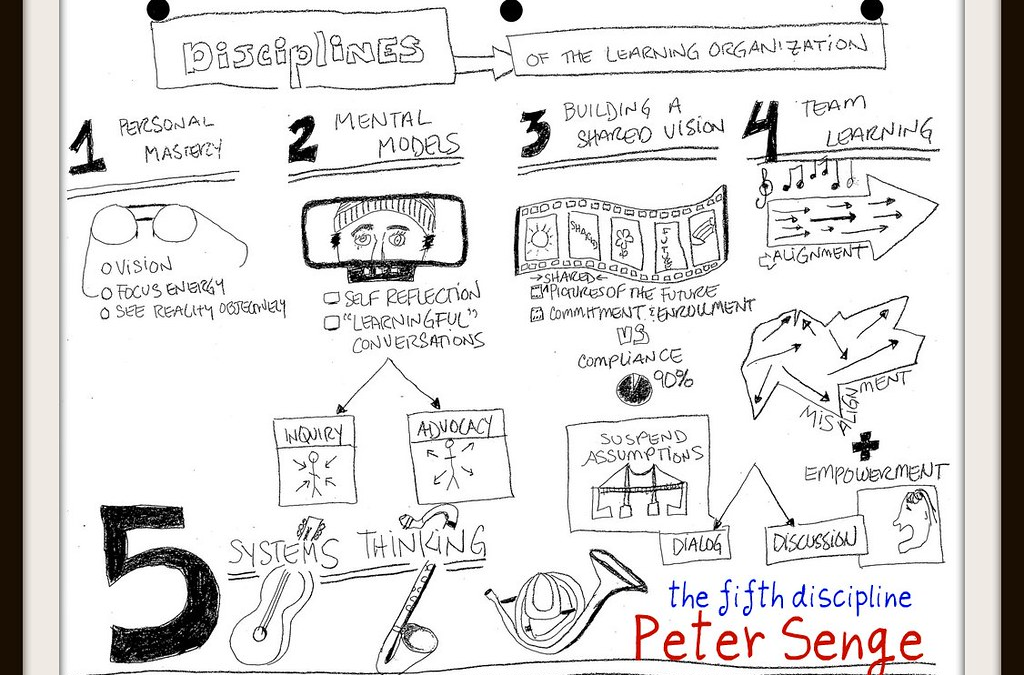
“Where there is no vision the people perish- Proverbs 29:18” This book discusses the importance of a learning organisation and how when tapped the power of the people in your organization can become a real competitive advantage.
The five disciplines come together to create leading organizations by helping them understand and make use of the levers and subtleties within their organization that may remain hidden to other organizations that do not follow these practices.
Below is a list of the 5 disciplines. Further to the book these 5 disciplines also are very relevant to individuals looking to find more fulfillment in their own lives.
Personal mastery
Know what we really want
Be aware of where we currently are
Asking what do I want to create now
Mental Models
What do I believe?
What does the organization believe?
What may need reframing?
Shared Vision
What do we want to create together?
How do people’s own visions fit allowing them to become more empowered with the companies/ organizations’ vision?
Team Learning
Teams develop intuition, reflection, inquiry, and discussion skills beyond ego or any personal agenda
Systems Thinking
The ability to see beyond our own agendas, or simple kingdoms so we can better understand and orchestrate the greater/ more complex system or systems at work
Book Review: Mindset: The New Psychology of Success by Carol Dweck
Having a growth mindset as opposed to a fixed mindset allows us to be in a better position to grow and prosper with the day to day challenges and opportunities we encounter. A key concept is to reward yourself and praise yourself (as well as others) for effort and commitment to working towards a goal rather than achieving the goal itself. The growth is in the effort and it is the effort we need to focus on. With no effort comes no reward. And who knows. Along the way, as you put the effort in, who knows what you will learn and where it may take you! Below is an image showing the key differences between a growth mindset and a fixed mindset. Which will you choose?
Book Review: Change Your Questions Change Your Life by Marilee Adams
Are you a judger or a learner? This is a great book for anyone that would like some good practical tools to help them live and lead from a more open mindset.
Book Review: Transitions: Making sense of life’s changes by William Bridges
This is a great book for anyone struggling with a large change they are in or contemplating. The book discusses how before we truly step into the internal process of change required to go from where we are, to where we may need to go, we first have to honor that which will be no longer. Kind of like having a rite of passage for what was. Not necessarily to understand it fully, but at least to honor and accept that it was there. Only then can we enter the neutral zone of change and ultimately into our exciting new state of being.
Book Review: Lost Connections: Uncovering the real causes of depression and unexpected solutions by Johann Hari
A great read for anyone who may be struggling with depression. The author describes how a lack of connection to people., meaningful work, true values, etc. create much angst and suffering, and how the antidote to much of this is connected to what is truly important to us. Here is another great ted Talk by Johann on what the opposite of addiction is: https://www.ted.com/talks/johann_hari_everything_you_think_you_know_about_addiction_is_wrong
Here is a list of items he shows we are disconnected from, and if worked on can help us mead a more connected and less depressing life:
Disconnection from meaningful work
Disconnection from other people
Disconnection from meaningful values: The author talked about “junk values”, and particularly materialism, as being problematic and something he had struggled with. It was around this point that it really started to sound like the author was referring to depression and anxiety as negative emotional states and existential malaise and not necessarily appreciating the difference between these emotional states and mood/anxiety disorders.
Disconnection from childhood trauma
Disconnection from status and respect
Disconnection from the natural world
Disconnection from a hopeful or secure future
The real role of genes and brain changes: The author saw 2 potential roles for biology: circumstances can cause brain changes that accelerate the problem, OR
Genetic variations may contribute to depression but only in specific environmental circumstances; they can’t cause depression without an environmental trigger
Book Review: Dare to Lead by Brene Brown
I just can’t say enough about Brene Brown and her explanation of the power of vulnerability to set us free, let go of our past and engage our future.
Book Review: The Mask of Masculinity: How men can embrace vulnerability, create strong relationships, and live their fullest lives by Lewis Holmes
Athlete Lewis Holmes shows how as men, we are trained young to wear a mask, to hide our true selves, and how this mask often gets in the way of us living out authentic, fulfilling lives. Explore what it is that you want more of in your life and ways to allow yourself to bring what will make you more whole forward.
Book Review: The Judgement Detox by Gabrielle Bernstein
One of the best books I have read in terms of quieting the judgements we have of ourselves and others. Not only does the book explain what it is that may be causing these judgements, but it lays out a simple easy to use path to turn them around and allow you to really start living your life.
Book Review: Awaken the Giant within by Anthony Robbins
This is the Tony Robbins book every person who is serious about change should read.
What is holding you back? What do you want to move towards? What are you going to do to turn your limiting beliefs into motivators? Take this step by step journey to find your path!
Book Review: Attached: The New Science of Adult Attachment and How it can Help You Find-And Keep- Love
This is a great read and primer on the idea of adult attachment. Many of us have a secure attachment style (about 50% of the population) which is largely based on how we were raised, nurtured, and what was modeled to us. The remainder of us has either an anxious or avoidant attachment style. Discovering what style you are can lead to some very powerful insights and sharing the style you are with your existing partner can lead to some key insights allowing the two of you to understand when things break down, as well as help you put strategies in place that will allow you to understand and better support each other. Knowing your style when looking for a new partner allows you to be more direct about what your needs are and better set you up to find someone more compatible with your needs and style.
ANXIOUS people are often preoccupied with their relationships and tend to worry about their partner’s ability to love them back.
AVOIDANT people equate intimacy with a loss of independence and constantly try to minimize closeness.
SECURE people feel comfortable with intimacy and are usually warm and loving
Attachment inventory- Ways to what is going on in your current relationship, how you are reacting right now, and determine better ways to communicate and be in the relationship.
Book Review: The Five Love Languages: The secret to love that lasts by Gary Chapman
A great book that discusses how we have different needs on how we express and accept love in our lives. A great read for couples. He discusses five core ways different people want to receive love. Some people respond much better to the different ways and the idea is to follow the platinum rule of treating others in a way they want to be treated. What languages of love do you and your loved ones best respond to?
Book Review: The Big Leap by Gay Hendricks
An introspective journey that helps you to overcome barriers to find more success in any area of your life.
Book Review: Think and Grow Rich by Napoleon Hill
In this book, you are taken on a journey with who I consider to be one of the most influential writers in the field of self-help. A must-read for anyone who wants the basics on what much of the current self-help literature is based on.
Book Review: Start with Why by Simon Sinek
Simon Sinek strongly believes if you start with why, in your life, or in your business, why it is you are really here and what drives you, you can better connect with those who resonate with this.
Book Review: Path of Least Resistance: Learning to Become the Creative Force in Your Own Life by Robert Fritz
The principle of the path of least resistance:
Energy moves along the path of least resistance
The underlying structure of anything will determine the path of least resistance
We can change the underlying structure (victim or creator tying back to ted Old story new story for NC)
Oscillating structures affect our lives and organizations- Great in a rocking chair but not when we have a desire for change and lasting outcomes
Desire to act ==> Need to decide ==> thinking of the risks ==> avoiding deciding ==> desire to act…..
The antidote? Structural Tension. Tension seeks resolution-think of a rubber band stretched tight but not too tight- it has the ability to pull us forwards.
It is the energy created between your vision (desired future, aspiration, etc.) and where you are now…
A vision with no awareness of current reality= no tension
Understanding where you are and reality with no vision= no tension
For proper structural tension, we need both a vision of where want to go, or what we want to accomplish (or even how we want to be) and where truly are right now., This creates tension and also allows us to better see the small steps we can take to relieve this tension which is the path of least resistance.
This all works great as you move towards goals that are important to you and allow the progress and how you feel as you accomplish these to set even further out goals for you that can keep pulling you forward.
The tension pulling you towards what you want will help keep you from taking sides steps as you climb…
Book Review: Ownership Thinking by Brad Hams
One of the first books I really dived into in my journey to see that business really can be done in a more sustainable, and still profitable manner. A great introductory book to a way of running a business that empowers your people by having them think, feel, and act like owners. A good first step for people who may be interested in an ESOP but are really just wanting to dip their toe in the water.
Book Review: Blue Ocean Strategy by Chan Kim and Renee Mauborgne
A book that discusses how rather than competing in a certain market why not embrace your uniqueness and create your own space where more people can win.
Book Review: Balanced Scorecard by Paul Niven
This book introduced me to the concepts of taking a more holistic and balanced approach to a business which if embraced can lead to long-term sustainable growth and less overall risk.
Book Review: Traction by Gino Wickman
A great book that discusses that helps bring strategic planning down to a more practical operating system to help you build success in your business.
Book Review: Firms of Endearment
How world-class companies profit from passion and purpose- How do you go from “share of wallet” to “share of heart” with your customers and your employees?
Book Review: Drive by Daniel Pink
In this book the author shows how the real motivation for people to do well, is beyond money and involves being able to direct our own lives, to learn, grow and create, and to create a better life for ourselves overall as well as make a contribution to a better world. Better may not always just mean more stuff!
Book Review: Start With Why by Simon Sinek
What is your why? What is your reason for being and what is it that really drives you or your business.
Book Review: 7 Principles for living with Authenticity by Jack Beauregard
This book takes the reader on an in depth journey of self discovery, and authenticity allowing them to enter a state of a more genuine and authentic life.
Book Review: The One Thing by Gary Keller and Jay Papasan
What is your one thing, that when completed will make everything else in your life easier or not even required?
Book Review: Grit by Angela Duckworth
Grit takes the reader on a journey to let them see how raw talent the core reason people are successful. It is passion and perseverance which combine to make create our internal grit.
Book Review: The Power of Habit by Charles Duhigg
A great book on why we do what we do and practical advice on how to build more meaningful habits. First, there is a cue telling your brain it is time for something. You then do the routine thing you have trained yourself to do which results in a reward. This loop reinforces itself and the cue really is seeking the reward. In the end, you may not be able to change the cue and the reward is the dopamine, etc. your brain produces but you can change the routine. Check out the book Atomic Habits in the How Do I Get There section for practical ways to help you change the routine!
Book Review: Atomic Habits- An Easy & Proven Way to Build Good Habits & Break Bad Ones by James Clear
Looking to make huge changes in your life or business? Start with the smallest of changes, as described in the book, Atomic Habits- An Easy & Proven Way to Build Good Habits & Break Bad Ones by James Clear. By introducing small habits and making these habits; Obvious, Attractive, Easy, and Satisfying, you can soon be on the way to the life or business you desire! A great and easy read or listen with instant tools you can implement now.
Book Review: Super Attractor by Gabrielle Bernstein
This is a bit more of a spiritual book about the universe including information on archangels and energy so fair warning. It is an interesting and easy read, and even if you do not buy into the spiritual side of this book, there is a huge takeaway I would like to share. Gabrielle has offered a very simple three-step process that can be incorporated into our life at any moment. It is really a simplification of CBT (Cognitive Behavioral Therapy) mixed in with great coaching feel to the questions. Below is the process and as she goes on to explore and explain throughout the book, these three steps can be broadly modified and applied to and any thought or challenge you may face between your two ears.
Notice the thought you are having (Tap into early warning signs that you body is tense, or uncomfortable)
Forgive that thought (perhaps even thank it for arising and providing you information on what you do not want, or that you may be having an unrealistic or damaging thought that may not necessarily be true) Choose a new thought to replace the old one I(What is a more realistic thought or empowering thought that will allow you to shift your mindset, and move forward)
Book Review: 90 Seconds to a Life You Love- How to master your difficult feelings to cultivate lasting confidence, resilience, and authenticity by Dr. Joan Rosenberg
If I was to suggest one book that touched on a lot of what I have found to be beneficial in my journey and also had the prescription to help you move past mental barriers, and develop lasting confidence, this would be it. It is a FANTASTIC read that has the power to be a game-changer for you! At the heart of this book is a process that is named the “Rosenberg Reset.” This simple tool is here to ground you in the fact that when difficult emotions arise it is not the emotion itself that we are trying to avoid, but rather the uncomfortable bodily sensations associated with the emotion. The good news is this. That bodily sensation (which we usually feel even before we intellectually connect to the emotion, imagine our body as an early warning system) will usually last 90 seconds or less before the chemicals our body has released to create the sensation are flushed from our body. So in short, if we can recognize a situation where we may be uncomfortable (imagine introducing yourself at a networking event) and realize that we may feel a difficult emotion for 90 seconds at the point we introduce ourselves, and then we will be fine, we can then make the choice to do it, rather than shrinking back in the corner and hiding from discomfort. And here is the magic. The more we connect and ride the wave of these 90-second emotions more and more in our lives, the more we deliberately practice being in these situations ( like networking, engaging in difficult conversations, standing up for ourselves) the more we stretch and grow. The more we can ultimately move towards our full potential rather than sitting back and letting these difficult emotions run our lives.
The reset can be used for multiple situations ranging from helping us stretch and grow as described above to helping us release anxiety, resolving faulty thinking, speaking your truth, and moving through grieving the hand you may have been dealt in the past.
Choose awareness, not avoidance.
Choose growth, not stagnation- (See a flowchart I put together below showing the choice.
The basic steps to the reset, which are modified for the other aspects noted above are this:
Make a choice to be present with whatever comes up. When you notice an uncomfortable sensation come up in your body it is an early warning that a difficult feeling may be here and realize something is going on. (e.g. for me my chest and neck may feel tight when I introduce myself to someone new- perhaps I am feeling vulnerable and worrying I embarrass myself)
These 8 challenging emotions are at the base of many things we avoid. It is very important to note that these are not negative, and often are there for our own protection. How we deal with them, and what we choose to do with them is within our control once we can bring more awareness to them.
Sadness- A temporary feeling and the result of a specific moment or experience.
2. Shame- The belief or feeling of being inadequate, defective, flawed or damaged, and often linked with high levels of harsh self-criticism.
3. Helplessness- Tied into feeling small, powerless, and tied to when you feel you cannot make a difference or impact a certain individual, group, event, or situation.
4. Anger- Often exists when you feel you have been wronged.
5. Embarrassment- A feeling we get when we make a mistake or did something that did not go the way we hoped it would have..
6. Disappointment- A feeling we get when our needs, expectations or desires are unmet.
7. Frustration- More intense than disappointment, often around when our fight or flight reaction is triggered. When things are really tense and the situation becomes a bit more escalated we may feel frustrated. An elevated feeling of disappointment is often mixed with a bit of anger.
8. Vulnerability- When we feel we may be hurt or put ourselves in a situation that may trigger any of the other 7 emotions above. It will often be present then in situations we think about where we will face difficult emotions. A powerful ally to make ours, and one where making ourselves vulnerable will often allow us the best potential for growth.
When we notice the feeling from one of these emotions be with these feelings for 90 seconds and let it subside and let ourselves become more evenly regulated. If we ride the wave of these emotions for 90 seconds, we can do a lot. We can stretch ourselves beyond what we were able to tolerate before in a tough social situation for example. Calm yourself down if we were feeling angry and be better able to respond rather than react. Or perhaps better see the full situation as it is allowing us to see what it is, we may need to further address to move forward with our lives.
An important note is around a feeling that has been left out for the list above. The feeling of general anxiety. Dr. Rosenberg discusses how anxiety is largely a cover all feeling we have been accustomed to describing. It actually is a coping mechanism that hides what it is we are really feeling. She goes on to describe fear as well. Fear she says is a reaction to an immediate danger. Fear is something that we may need to act on right away. For example the feeling we get when we suddenly remember we left the door wide open after we have left for work. Fear makes us turn around and go home to lock the door. Fear is our internal protection system kicking in. Anxiety is often tied into something we are worrying about from the past, our current situation, or something in the future. It is something that, if we look a bit deeper can often be de-escalated once we know what feeling it is we are actually trying to hide from. Below are the basic steps to the Anxiety Reset from her book:
Identify a specific situation where you felt anxious. Allow yourself to feel this for a moment. Where are you noticing this in your body?
Without using words like anxiety, fear, or worry, which of the 8 feelings (Sadness, shame, helplessness, anger, embarrassment, disappointment, frustration, and vulnerability) best describe what it is you are feeling.
Go back to the experience and swap out the feeling of anxiety for the word or words you came up with above. Stay with it for 5-10 seconds. For example be in that situation and say I am feeling vulnerable and embarrassed.
Can you still feel the feeling of anxiety? What are you noticing in your body? Dr. Rosenberg has found at this point the typical answer is that they can not feel the anxiety anymore. If they still can they may want to further explore if they identified the right underlying feeling.
Did the memory you chose involve other people?
Would have expressing the feeling you identified been appropriate in your situation?
Was this feeling expressed during the situation or soon after?
Oftentimes we do not express what we perhaps could have. This leads to us carrying this excess energy with us building up over time. Going through this exercise allows us to better understand what has been building up as well as helping us see what may be a better way of expressing what we may need to in the future.
Another great concept the book goes on the describe is around how we often hold onto ideas and feelings internally in what she describes as “Disguised Grief”. Dr. Rosenberg notes that as you start to work with the reset in the day to day and become more comfortable with feeling it often unearths deeper help beliefs and feelings. These might appear in your life as blame, bitterness, grudges, leftover anger, or other feelings of long-standing pain. They could be associated with past events and people, things in the now, or things yet to be. Tapping into these feelings (be careful if these feelings are very intense and related to Post Traumatic Stress as this may need more professional help to process, work with or move past) and, moving past, them, and even learning from them can be quite freeing. Below is a pneumonic (GRIEF) from the book to give you a glimpse into what this fantastic chapter explores.
G- Let your genuine feelings be present and GRIEVE over:
What you got and did not deserve (The bad stuff- abuse, chaos, inconsistency, neglect)
What you deserved but did not get (the good stuff- acknowledgement, praise support)
What never was (the facts, circumstances, and missed opportunities of life)
What is not now (The facts and circumstances of your life right now)
What may never be (Accepting that certain changes or responses may never come)
2. R- REFLECT by identifying an important or high-impact memory or grief to resolve
3. I: INQUIRE MORE DEEPLY. Make sense of your life history by understanding the impact, influence, importance, meaning, relevance, and/or significance of your experience across time.
Who did you become because of the experiences at the time of the event? / in childhood? / in teen years? / in adulthood? / Now?
How did the experience shape you and your outlook, beliefs, or personality?
4. E: Explore and Extract the positive learnings.
5. F: Free yourself. Let go of the “old story” you have described about yourself.
Forgive others and yourself for what they/you did or did not know, or did or did not do.
Forge new images of who you want to become and start living that new story.
The last key thing I will point out, and perhaps the most immediately applicable points of the book, is from another must read chapter about resilience and building confidence. Here are 6 key points that will allow you to, over time, develop a deeper capacity to believe in yourself.
Find ways to experience encouragement and reinforcement regarding how you are valued by others. Surround yourself with people who care for you and that will push you when you need, but also value you for who you are.
Work towards mastering a body of knowledge or developing knowledgeable expertise in something in your life. Find things to be passionate about and to learn throughout your life. It can be part of your work or part of any other aspect of yourself that makes you who you are.
Be present to as much of your moment to moment experience as possible.
Express yourself to others. Express your thoughts, your feelings and what is important to you.
Take action. Do the work. Put in the effort and take steps towards being the best you can right now.
Embrace and take to heart the compliments others pay to you. Allow yourself to feel and adopt these compliments to heart. You are appreciated and valued.
Overall, this book provides what I consider to be an excellent introduction to ways that can help us become aware of, and then move past faulty thinking patterns many have long struggled with. A great read with many tools well worth implementing in your life. A life you can love!
Submit a Comment
.
Book Review: Who Moved My Cheese? by Spencer Johnson
Accepting change as a given and to learn how to better enjoy change and challenges ensures a more fulfilling journey. Change is around us in all we do. A great fable that can be read in about an hour. A great read for those of us who may be a bit nervous about change.
Book Review: The Alchemist by Paulo Coelho
A fable that takes the reader on a journey so that we can better understand that what we most desire is quite often right where we are, but we need to go on life’s journey to realize it.
Book Review: 10 Percent Happier by Dan Harris
A simple read from a previous skeptic of mindfulness. A great ride through a practical and pragmatic exploration of one man’s journey to embrace mindfulness. What could happen for you if you were to implement some practices in your life that would lead you to being just 10% happier?
Book Review: Roots of Buddhist Psychology by Jack Kornfield
This is a fantastic journey for anyone who may be interested in the Buddhist slant to personal psychology and transformation. A very entertaining and informative journey!
Book Review: The Seat of The Soul by Gary Zukov
What you choose to focus on and intentionally act on is where you will go. For each choice we have in front of us we will benefit from asking ourselves if we fully want what the choice will create for us. With each choice we make comes both intended and possibly unintended consequences. Once we make the choice and act on it a chain of events are released. Stepping back and ask first: Do I really want this? Do I want all the consequences that will come with it? It is not meant to freeze us so we do not make choices, but rather it is here to help us be mindful of the choices we make so we can live a little more wisely.
Key Lessons from “The Seat of the Soul”
Love conquers all
Lead the way
Think smart, and find the deeper meaning in everything
Book Review: The Four Agreements by Don Miguel Ruiz
This is a must-read for anyone. The four principles that are discussed here are very simple, and once adopted really make a difference in how we see and act in the world. Living by these principles (in my own way of course!) has created a significant shift for me.
Book Review: The Diamond Cutter: The Buddha on managing your business and your life by Geshe Michael Roch
In this book, a lot of underlying Buddhist principles are explained with great clarity, including the concept of emptiness, and mental impressions. The concepts are also discussed from the perspective of a diamond supply business that the author rose to the level of VP after one of his Buddhist teachers instructed him, after 20 years of Buddhist training, to transition to, so he could continue his learning and bring the teachings to the business world.
Book Review: The Oxygen Advantage by Patrick McKeown
More of a book geared towards sports performance (increasing overall physical fitness drew me to this). It also does cross over into mindfulness for a couple of chapters, and the ideas in the book seem solid for anyone interested in improving their mental or physical performance, as well as to improve overall wellbeing and health. The table below gives a good overview of what is covered in the book. In short, he argues (with scientific studies to back it) how over-breathing (mostly through our mouth) can be harming us, and how controlled relaxed abdominal breathing, in and out through our nose can help this.
Book Review: Finish Big: How Great Entrepreneurs Exit Their Companies on Top by Bo Burlingham
Another great book that discusses the importance of having a complete business transition plan in place, and how this can not only help you finish big from a financial point of view, but also achieve what it is you really want out of life.
Book Review: Built to Sell by John Warrillow
This very entertaining and practical guide on how to look at your company through the eyes of a buyer. What are you doing in your business so that it would be attractive to someone from the outside? What are you doing to reduce your business’s reliance on you? Lots of great advice in this book that if followed, would lead you to a much more saleable business.
Book Review: XITPRO SYSTEM: Positioning Small Business Owners for Breaking the Mold and Successfully Selling Their Business by Tom Gledhill
Another easy read by Tom Gledhill is a great resource for any business owner who is looking to create value in their business or to figure out how to maximize business when they exit. Packed with tons of practical and easy to follow information. A must-read for smaller businesses who want to make their business be more profitable and capable of being sold one day!
Book Review: Willing Wisdom by Tom Deans
Much like his first book Every Families Business, Tom uses a story to share how the families he guides go from putting off creating a will to using it as an opportunity to capture the legacy and will of what one generation would like passed to the next generation well beyond wealth. He uses 7 questions that are noted below:
1. What word best describes our family? Share a family story that helps to explain the word you selected
2. Describe how your parents acquired their wealth. Share a memory or something your parents did to provide for you that left a lasting impression.
3. How would an inheritance advance your dreams for yourself, your family, and your community?
4. In the context of planning for the division of your assets, does fair mean fair or or does it mean equal? Who are you planning to leave your wealth to and will you share a copy of your will with me?
5. Describe how your parents divided their assets and when you first learned of the contents of their will? What would you do the same, and what would you do differently?
6. Describe the role you play or played in the final care of your parents. Can you name one thing that was or is being done well, and one thing you could change or wish you had done differently?
7. Describe in detail your last wishes.
Book Review: Principles: Life and Work by Ray Dalio
Mr. Dalio has built up one of the most important global investment firms in the US named Bridgewater Associates. In this book, he goes very deep sharing the principles he lives by personally and the principles that have created and continue to guide Bridgewater for the future. These same principles helped Bridgewater foresee the 2008 market correction and as such were able to position themselves appropriately. This is an excellent resource for those looking at the principles they want their organization to run by.
Book Review: Harvard Business Reviews Top reads Boxed Set- 6 Books
A terrific collection of some of the best articles on everything from Strategy to managing yourself. A must-have for any aspiring entrepreneur who is serious about taking the next step. Each book is filled with articles that can be referenced, and read quickly when a need arises.
Book Review: Turn the ship around by David Marquet
love this book. Take a journey to learn how a great military leader turned a culture around to a culture of empowerment and success. Amazing read for anyone in any organization that is looking to turn their ship around and start headed for success!
Book Review: The Purple Cow by Seth Godin
Does your company stand out? What is it about your company that brings customers to your doors? In a world where many providers are excellent, what are you going to do to ensure your product or service really gets noticed?
Book Review: Start with Why by Simon Sinek
Why do some people have the ability to change the world, or to lead people in great ways to build amazing companies? What is it that people will really rally around? This books help you discover what your personal or your organization’s why is and how this can make all the difference. When you start with why you are here (even as a person) the “what’s” that you do (the actual products or services) and how you make it all happen will make more sense, come easier, and be completed with more passion!
Book Review: Good to Great by Jim Collins
What allows one company to rise above the rest, while other meanders in mediocrity? This classic explores some timeless principles of great companies.
Book Review: Built to last by Jim Collins
How come one business can last multiple decades and other fizzles out well before their time? Built to last talks about many timeless principles that allow your company to last the marathon that is business.
Book Review: Simple Numbers, Straight Talk, Big Profits by Greg Crabtree
Financial analysis made simple by Greg Crabtree. Are you looking at the critical numbers that show the health of your business?
Book Review: The 12 week year by Brian Moran
A great book on time management and the concept of periodization. How many projects can you finish if you are focusing on too many things at once? What would happen if you finished one critical thing at a time, and then tackled the next critical thing for your success?
Book Review: Overcoming the five dysfunctions of a team by Patrick Lencioni
How is your work team functioning This is a must-read for anyone looking to create a more dynamic and cohesive work team.
Book Review: Getting to Yes by Roger Fisher
What can you do in a negotiation to get both parties to yes? What would happen if the negotiation went smoothly for both parties involved? Getting to yes helps you arrive at the yes quicker, and with better outcomes for all involved.
Book Review: Karmic Management by Geshe Michael Roach, Lama Christie McNally, and Michael Gordan
In this book the principles from the Diamond cutter are brought to life with 8 simple rules to do business by that will implant and grow karmic seeds so everyone can flourish.
The 8 rules the book covers are:
1- Stop doing things that don’t work;
2- Find the cause of the causes;
3- Identify your Karmic business partners;
4- Start from yourself;
5- Stop making decisions;
6- Load your stapler;
7- Ride your problems over the top;
8- Re-invest the karma.
In general, be good to others first and good things may happen for you!
Book Review: How Stella Saved the Farm
A tale about making innovation happen- by Vijay Govindarjan and Chris Trimble- A great and simple fable written to help us see how starting a new business (or adding a new innovative business to your existing business) will take multiple perspectives to be considered, how to develop teams to deal with and embrace innovation, and how to treat innovation much different than existing business. There are many more unknowns when you are innovating and the more you can learn and grow quickly to embrace what it is you learn as you grow forward the more success you can have. They discuss how treating innovation like a science experiment and learning and growing from the mini-experiments you conduct within the main one helps you more efficiently learn grow and eventually prosper.
Book Review: Nonviolent Communication by Marshall Rosenberg
A great book that helps you see that by better listening to what the needs of others as well as what your needs are almost any situation can move towards a more compassionate and holistic resolution. The result of this is deeper empathy, connection, and the realization of mutual opportunities to allow a better chance for everyone to get what they really need as humans.
When you want to discuss something with someone to move past a challenge etc.by saying:
When you are listening to someone who may be frustrated with you paraphrase back to them to help aid them to clarify back to you what they are trying to say and move you both constructively forward by first saying something like I am hearing that….:
When I (See hear)….
When you (see/hear) (me/them) (say/do) etc….
I feel….
I think you are feeling……..Am I understanding this correctly?
Because I need/ is important to me….
Because I am intuiting that xxxx is important to you
Would you be willing to….
What is it you would like me/ them to do…
Book Review: Read This Before Our Next Meeting: The modern meeting standard by Al Pittampalli
We need to run a better meeting period. Al discusses in this very quick book how by allowing meetings to run in circles and really decide nothing we have led ourselves to a point where company cultures are adversely affected, and no-one is really making decisions. Meetings need to be either to brainstorm ideas needed to generate an initial decision, debate issues, or to clarify action plans moving forward. The graphic attached is from his article that builds on the overall idea and can be seen as the types of decisions that may need to be arrived at. He goes on the say modern effective meetings need to:
1) The Modern Meeting supports a decision that has already been made. “The Modern Meeting focuses on the only two activities worth convening for: conflict and coordination”.
2) The Modern Meeting moves fast and ends on schedule. “Strong deadlines force parties to resolve the hard decisions necessary for progress… With too much time, even the most unshakable decision will be reconsidered.”
3) The Modern Meeting limits the number of attendees. “In the Modern Meeting, we invite only the people who are absolutely necessary for resolving the decision that has been prepared.”
4) The Modern Meeting rejects the unprepared. “Preparing an agenda involves thinking through what’s going to happen at the meeting – what the objectives are, who should be invited, what they should bring, and how long the meeting will last. Second, agendas establish the decision that is being discussed and elicits feedback and suggestions.”
5) The Modern Meeting produces committed action plans. “In the Modern Meeting, minutes are not required. We don’t need to know the details of what happened at the meeting, because it’s the same thing that happens at every Modern Meeting: conflict and coordination. All we need to know is the decision and the resulting action plan.”
6) The Modern Meeting refuses to be informational. Reading memos is mandatory. “All too often, I send out an important e-mail message, only to have them be read by just a few people. The Modern Meeting cannot survive in an organization that fails to read. We must keep meetings about decisions. They must stay sacred. The only way to do so is to cancel informational meetings.”
7) The Modern Meeting works only alongside a culture of brainstorming. “The brainstorm is so crucial to the success of the Modern Meeting… We also need sessions dedicated to the creation of possibilities. A place where the imagination is allowed to roam free and generate a plethora of ideas, from which innovation can be born.”
Book Review: Power of TED by David Emerald
A great tale about how adopting The Empowerment Dynamic (TED) can propel you on your journey. Do you choose to be the victim in life or the creator! This book takes you on a journey that shows how many of us may be stuck feeling life is constantly happening to us, waiting for someone to rescue us. The antidote is to understand that you have the power to create your future! A great must-read for anyone who wants to step forward with their life, or who has a team they work with that needs to be empowered.
Top three takeaways for me:
Remember you have a choice. Do you want to show up as a victim where everything is happening to you or as a creator where everything is an opportunity to learn/ grow and move forward?
What you focus on creates your inner state of being which then drives your behaviors. It is better to focus on the outcome of what you want rather than to focus on everything being a problem.
Embrace the fact that small steps, taken consistently, can lead to a massive change. Even when you take a misstep you can still learn, grow and adjust. Take baby steps towards an envisioned future state, learning and adjusting as you go is a recipe for success!
Book Review: The Diamond Cutter by Geshe Michael Roche
Business and Buddhism?
What’s up here. This a great read for those who want to run their business, sleep well at night, and in the process, build a business that not only fulfills their pocketbook, but their souls, and the souls of all it touches. You can have it all!
Book Review: Essentialism: The Disciplined Pursuit of Less by Greg McKeown
What is essential to you?
Are you doing too many things that are taking away from what is essential to your success?
Are you taking a bunch of things into your life because you think you HAVE to?
Because you think it is the way it all just is? What if you start choosing what really matters and saying no to what does not serve who you are and where you want to go with this one precious life?
Book Review: Building a Story Brand by Donald Miller
Looking for a way to put into words, what it is about your company, product, or service that will bring customers crashing down your doors? In Donald Miller’s book How to Build a Story Brand, he does an excellent job laying out a process that does this. His process allows you to more fully connect with your ideal customer, their problems, and what you are providing that ends up making the client look like the hero of their own journey! You can use this process for the overall value proposition for your entire company, as well as it for individual departments, and products so they all have a bit of their unique flavor that still aligns with the core company strategy.
A character that…What do your customers want as it relates to your product or service? Think of the character as the hero in this journey…
Has a problem…The Villain- What is their root cause of their problem? What is the main thing that is holding them back, keeping them stuck, getting in their way etc.
If the hero in the story can use your product and it can help them solve their external, internal, and philosophical problems you likely have a unique value proposition that will attract them and keep them coming back for more….
External problem- What is a problem that relates to the product or service you offer?
2. Internal problem- How does the customer feel not being able to solve this problem?
3. Philosophical- What is the bigger injustice this problem is creating for them?
And meets a guide…
4. Empathy- What can you tell your customer so they know you understand and are here for them?
5. Authority- How can you demonstrate you have what it takes to provide some guidance?
Who gives them a plan…
6. Your Process- How do your customers work with you or what is your process they will go through after a sale. KISS
7. Agreement- What agreements can you and will you make with your customers to alleviate their fears to work with you?
And calls them to action
8. Direct Call to action-What is your ideal goal for what you want this customer to engage you with?
9. Transitional Call to action- How will you engage with clients to allow them to get to know you before they fully engage?
That ends up in success…
What is their success? – What are the positive changes your customer will experience during or after using your product or service?
And helps them avoid failure…
What can this help them avoid? What are the negative effects on your client’s life or business if they do not use your product or service?
And helps the character transform from…
What was your client’s life like before using the product or service?
To…What is your client’s life like now that they have used the product or service?
The Dark Side of the Light Chasers by Debbie Ford
Ever heard that what may trigger us and make us uncomfortable may be a clue as to something we need to make peace with ourselves?
A clue to something that once embraced may allow us to live more fully. This is a fantastic book for anyone wanting to become more at peace with others, and ourselves as you explore the shadow side of our own personalities on a quest to become more whole.
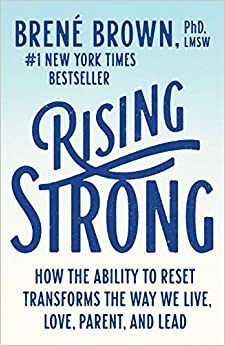
Book Review: Rising Strong by Brene Brown
Are you in the arena of life feeling a bit battered and bruised?
Take a journey with Brene Brown to find that you are not alone and that it is not the falling down that defines, us, but rather the way we are able to Rise Strong.
Here is Brene’s Ted Talk that is amazing that really kick-started her rise to fame.
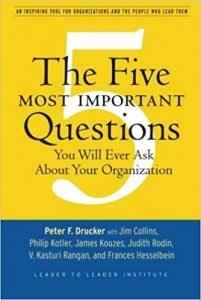
Book Review: Peter Drucker’s Five Most Important Questions
A quick read that breaks business strategy down to basics by asking 5 critical questions.
What is our mission?
Who is our customer? Look at primary and secondary customer
What do they value?
What are our results? (How are we doing in delivering what our customers value? How are we doing overall as a company? How are we delivering to shareholders etc)
What is our plan?
Going through these questions, especially as a team, taking the learnings to heart, and then the time to come up with a simple plan on how to make bring the learnings to life has the potential to transform your business and to catapult you in front of your competition. Especially if your competition is stuck in the the same reactive pattern many struggling business’s find themselves in.
If you want to lead the pack, and create a culture of can do this is a a must read. Drucker’s work is some of the best, and most practical advice on strategy ever pulled together.
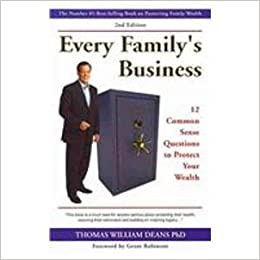
Book Review: Every Families Business by Tom Deans
Through 12 questions, Deans provides business owners (and their advisors) an opportunity to learn what they truly want and what they truly need; these questions also offer family members a chance to appreciate the business owner’s dreams, goals, and responsibilities. There is a caveat: by skipping ahead and reading only the questions, a reader is denied the context behind these queries — a context that is essential in developing honest family communication and realistic succession-planning answers
Question 1 (both owner and child/key employee) What does our business look like in five years?
Question 2 (both owner and child/key employee if each holds stock) Are you interested in selling your stock? If yes, to whom?
Question 3 (child/key employee) Are you interested in buying and acquiring control?
Question 4 (both owner and child/key employee) Do you understand and agree that in the interest of maximizing shareholder value, this business can be sold to a third party at any time?
Question 5 (owner) I agree that within the next 60 days I will put in place a special compensation formula for my child/key employee in the event that the business is sold in the next five years.
Question 6 (both owner and child/key employee) As a fundamental principle I understand that from time to time we will receive unsolicited offers from third parties to acquire the business. These offers will be considered and accepted at the discretion of the controlling shareholder and supported by _____________ (child/key employee’s name).
Question 7 (owner) In preparation for the annual update of this blueprint I will arrange for an updated calculation of the business and will calculate whether there is an appropriate amount of insurance in place. I will furnish evidence that this has been done and that estate taxes will not impair the ability of this corporation to function after my death.
Question 8 (both owner and child/key employee) List at least three items in each of the following four categories that could affect the health of the business over the next five years.
Question 9 (both owner and child/key employee) To secure our future prosperity together we should either:
A. Continue to run our business and invest more of our money in our company.
AND/OR
B. Proactively pursue the sale of our company.
Question 10 (owner) Within 60 days of completing this blueprint we will complete a salary and bonus compensation review for ______________ (child/key employee’s name)
Question 11 (owner) I agree to conduct an annual performance review of ____________ (child/key employee’s name). This review will measure performance against mutually agreed on and achievable goals and objectives. New goals and objectives will be set for the coming year.
Question 12 (owner) Within 60 days of completing this blueprint I will present up-to-date job descriptions to all family members/key employees working in the business that clearly describe their duties and responsibilities. I will include an up-to-date organizational chart. Family members/key employees working in the company will adhere to the company’s policies and procedures.
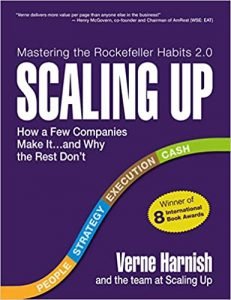
Book Review: Scaling up by Verne Harnish
So you have started a business, and things are starting to come together. But is this what you signed up for?
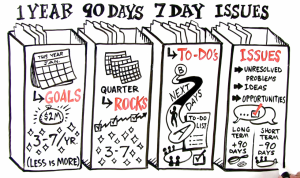
Crazy long hours, stress, customer complaints. Scaling up helps you explore what is required to take your company to the next level. Getting organized and transparent with goals, short term projects to move towards your goals, how these projects get executed, how you and the team are progressing, as well as identifying and addressing issues ideas and opportunities can be a complete game-changer for your company. Coupling this with regular and efficient planning, reporting, and execution meetings can lead you to be the organization that is on top of the game. A great read and system to follow.
Book Review: Questions are the answer by Hal Gregerson
Hal explains how to find better answers, we first need to uncover the real questions that need to be asked. For a good overview and some great practical tips on how to run better brainstorming meetings check out this HBR article!
“The process simply allows one to concentrate on a problem—no matter how big or small—and examine alternative vantage points so they can arrive at a new and innovative solution. It takes just three simple steps, as an individual or a team:
Set the Stage – Select a challenge you care deeply about. Invite a few people to help you consider that challenge from fresh angles. Ideally, choose people who have no direct experience with the problem and whose worldview is starkly different from yours. In two minutes or less, share your problem with your partners
2. Brainstorm the questions – Set a timer and spend the next four minutes collectively generating as many questions as possible about the challenge. Follow two key rules: Don’t answer any of the questions and don’t explain why you’re asking the questions. Go for at least 15-20 questions in four fast minutes. Write all the questions down verbatim, word for word as you hear them.
3. Identify a quest – and commit to it – Study the questions and select a few “catalytic” questions from the list, ones that hold the most potential for disrupting the status quo. Commit to pursuing at least one new pathway you’ve glimpsed – and do something about it as a truth seeker. Get to work and find some better answers.”
Book Review: Learned Optimism: How to Change Your Mind and Your Life by Martin Seligman
In this quick read, you will literally learn the ABCDE method on how to develop more of an optimistic mindset which when adopted can lead to a more hopeful and peaceful future.
You will look at first the A- Adverse situation you find yourself in, then B- Your belief or the story you are telling yourself about it, then C- the consequences of your belief (what did it lead you to do, or think further). Once you know the ABC you D- dispute what it is you are telling yourself to find a more empowering story, and then E- check-in to see how energizing this new story is!
Below is a table of how optimists and pessimists think in terms of both good events and bad events that they encounter. Which do you choose to be?
Book Review: Three Feet from Gold by Sharon Lechter and Greg Read
Based on Napoleon Hills’ original book Think and Grow Rich this book tells a tale of how in our darkest moments our success can just be a few more steps away. The trick is persevering and really digging in to ask the tough questions and take deeper steps that are required.
Book Review: Getting Things Done by David Allen
A great book that shows how to get in control of your life and business with less overall stress by first CAPTURING all the “Stuff” you have all over your desk, office, scattered in your head, and left undone in your life and work which is causing you to feel at loose ends;
CLARIFYING this information to see if it is actionable or needs to be trashed, stored for later, or stored for reference;
then ORGANIZING this information in a way that it is out of your head and ensured it will be either acted on when it needs to be or stored in a way that it is easily accessible;
next REFLECTING regularly (i.e. weekly) on what you have open and to do next (i.e. think of the work you have done to capture, clarify, and organize so far. What will you do on a regular basis to ensure you are still moving things in the right direction and taking the next steps in the project, and lastly
ENGAGING in what needs to be done first, and after this next!
Book Review: The Five-Second Rule by Mel Robbins
This is a great book for those of us that need a bit of a kick start (which is probably every one of us! lol) to bring the habits into our lives that we know will help lead us to what we want. Mel Robbins discusses how if we wait until we “feel” like taking the first step towards a new habit we will likely never start. Whether it is a diet, getting out of bed earlier, or transforming troubling thought habits (stopping excess worrying) you can use her technique to transform that habit. When we notice something going on inside of us or have the instinct to do something that we know is good for us or will lead to our ideal self you simply count backward 5…4…3…2…1 and do it!
If we do not act on it the thought to hit the gym, to grab that carrot or to grab a piece of gum instead of that smoke if we listen to what we feel like instead of counting down from 5,4,3,2,1 and just acting on what we know is good for us we will probably not do it. Change takes effort and work and if we wait until we “feel” like it, well, we may wait forever.
I would add that an important step to do before this book is to take the step back and figure out what you want your ideal life, business, or transition to feel like so you are not just randomly doing every instinct that pops into your mind. Lol. Have a bit of a north star, even just a general idea of where you want to go, and then when an impulse or a thought comes up that you know will start leading you there (i.e. putting down the ice cream and instead of grabbing a carrot!) 5…4…3…2…1..eat that carrot.
Book Review: Full Catastrophe Living by Jon Kabat Zin
A great read and practical book that can help you start a meaningful mindfulness practice, and especially useful if you are suffering from stress. This is the outline of his world-famous Mindfulness-Based Stress reduction program. A great introduction to mindfulness, the mindfulness stress reduction program, and the essence of living more patiently every day of our lives. If you are looking for a self-guided 8-week program and have about an hour a day to dedicate to something that can change your life…this is a great read. Taking an MBSR course would be even better and the research has shown that most people that complete the MBSR course carry on a daily mindfulness practice years later.
Book Review: Take Control Of Your Life by Mel Robbins (Audible exclusive book)
In this book, Mel Robbins explores how we are largely controlled by fears that we have often developed at an earlier point in our lives. We develop coping mechanisms (habits and patterns) to help us try to gain control of the situation, but oftentimes these habits we have developed hold us back. In the book, Mel coaches 6 people in the following manner helping them Take control back of their life and to start moving forward. It is not always about profound change but rather small steps that build on each other over time leading to transformation change.
Recognize what we are afraid of
2. Sense where we feel that in our body (Our body is an early warning system)
3. Explore what our coping pattern is that we use when we are triggered by our fear
4. Explore what alternate behavior. thought process we could switch out for our coping behavior
5. Act on the new behavior/ thought process- change requires action!
Book Review: Man’s Search for Meaning by Victor Frankl
Are you a bit lost and possibly wondering what it is all about? This book is a great starting point. This is the first book I read when I made my shift from leading a life of what I thought I was supposed to be doing to living a life that is meaningful to me. My own definition of success. The key quote from this book really spoke to me as I first read it and every time I have heard it since.
“Everything can be taken from a man, but one thing; the last of the human freedoms. To choose one’s attitude in any given set of circumstances. To choose one’s own way.”
Frankl takes you through what he saw as the difference-maker for himself and others that suffered through atrocities in Nazi prison camps during WWII. Below are a few of the gems from this book, and these gems encapsulate the meaning I find in the work I do with others. He opens the book with a quote from Friedrich Nietzsche “He who has a why to live for can bear almost anyhow.”
Frankl discusses that many people face an existential vacuum or a lack of meaning in their life. People make meaning from creative means (doing a deed, or creating something through work), experiences (such as finding some meaning in viewing a picture, or a walk-in nature, skydiving, etc.), or our attitude about things that have gone on. In his case, he further discusses how people can make meaning from suffering. If there is no way to remove the suffering (i.e. things that have already happened or things we have no option but to endure now) we can either take the attitude that we are a victim and there is no reason for all we went or are going through, or we can take the attitude that there is meaning to the suffering.
A mix of hope for the future and making meaning of suffering from the past (or that we have to ensure today) allow us to get past despair and helps us thrive more now.
Seligman is the father of Positive Psychology. His book, Flourish, helps us learn more about positive psychology, how it can help, and how having more of it in your life can set you, your business, and those around you for deeper fulfillment. Seligman states in his theory of well-being how a combination of Positive emotions, Engagement, Positive Relationships, Meaning, and Achievement lead to an overall level of well-being. Rather than focusing on what is wrong instead try to focus on what you can add to these different aspects of your life that will feed you.
Top takeaways for me:
Strive for well-being as a mental edge as you move towards flourishing in your life!
Create your own recipe of positive emotions, engagement, positive relationships, meaning, and achievement that is right for you!
A world full of people seeking their own and other’s well-being could be a significant part of the answer to many issues we face as a society.
A great read for anyone on their own journey from numbness to flourishing!
Book Review: Finding Your New Owner: For Your Business, for Your Life by Jack Beauregard and Paul Cronin
A great read on the importance of thinking through not only the actual transition of your business to new owners from the tactical points but also from the personal point helping you answer what will you do in the next stage of your great life!
This book takes you on a journey of the most important thing that will need work before taking the tactical step of selling your business. Identifying who you are if you are not the business owner.
This often overlooked element is arguably the most critical aspect that needs to be addressed by any business owner. Embracing the work to discover who you are both inside and outside of the business had the potential to set you up for a wonderful life after you sell the business, ensure your core business transition objectives are met, and all the hard work you have put in over the years actually stands for something.
This is one of the books, and teachings, that had the most profound impact on my career and the work I currently do with business owners. A great read for anyone serious about living a life of authenticity and fulfillment that really helps you live the life you have worked so hard to create. The sooner the question of “Who am I if not the business owner” is answered the better. Answering it goes well beyond creating a successful transition and has the abilty to deepen the overall value that can be created for the lives of you, your employees, and anyone the business touches.
Book Review: Mindsight by Dan Seigel
What is mindsight? In the words of the author, Dr. Daniel Siegel, “Mindsight is a kind of focused attention that allows us to see the internal workings of our minds…without being swept away by them.”
The book Mindsight brings Dan Siegel’s experience working with patients alive in the pages of this book.
Dr. Siegel offers up many practical tips and shows how the simple act of getting more in touch with our thoughts, and the sensations in our bodies allows us to get that distance we may need from thinking we are our thoughts or emotions and understanding that these are just things that are happening around, and inside of us.
This allows us to build up the awareness and emotional intelligence to be better able to observe rather than be so immersed in any given situation, open up to what may be going on both inside and around us, and more objectively respond rather than react. Doing so can bring a deeper sense of well-being into our lives, and the lives of those around us. Practicing mindsight and its key principles- observation, openness, and objectivity allow you to be better prepared to move beyond the instant reactions of freeze, fight, or flight.
Book Review: Self-Compassion by Kristen Neff
Self-compassion involves treating ourselves the way we would treat a true friend who is feeling low, just had a serious setback, or is generally feeling inadequate. Self Compassion can be developed by adopting three key principles- Awareness; Self-Kindness; and Shared Humanity. In her book Self-Compassion the author, Kristen Neff Ph.D. brings up numerous ways in which we can build self-compassion while still taking responsibility for moving ourselves forward in life. In fact, she shows how having self-compassion rather than self-criticism, or hiding from difficult emotions, helps us build resiliency and leads to a more fulfilled and satisfying life.
Imagine for a moment that a very close friend, someone who you care for deeply, has just called you. You pick up the phone and your friend is clearly not OK. They seemed panicked, and they say “I just got in an accident. I had borrowed Jim’s new truck to pick up some boxes for my move, and when I was backing out of the parking lot drove right into another car! It’s a mess”. How would you respond?
You may say something like, “Ouch! That sounds terrible. Are you OK? How is everyone else?” Once you hear everyone is fine your friend might say something like, “I am such a clutz, why do these things always happen to me.” What do you say next? Do you go off onto a rant agreeing with them, berating them even further, and making them feel about 2 inches high? Probably not…
A compassionate answer to the above situation may be something like, “I hear you, it is no fun to get in an accident. It does happen though. We all make mistakes from time to time. Take a moment here, and catch your breath…once you are a bit calmer what can you do? How can I help? Do you need to exchange insurance papers or call a tow truck?”
We can find compassion for others, but so often find it difficult to find compassion for ourselves. When we hear the word self-compassion or self-care, we often think of being selfish, self-pity, or even letting ourselves off the hook for what we may need to take responsibility for. It is quite the opposite actually. Dr. Neff goes on to explain how using self-compassion is a way to support ourselves, to help take action to correct situations, and improve our lives. Life can be difficult and being aware of this, supporting ourselves as we would a true friend, and understanding that we are all in this together helps us provide the emotional support we need and removes the overly critical and harsh inner critic so often many of us use.
We have defaulted to this harsh inner critic for so long it is often second nature and our automatic way of reacting to a difficult situation. Unfortunately the more we beat ourselves up the more we may shy away from situations which may be challenging. Self-compassion changes this. Knowing that we can try something new, learn from it and grow, or work with challenging emotions and situations when they arise, sets us up to be more comfortable with ourselves, and life. An important note here, tying the reason for practicing self-compassion to overall well being is this. When we are overly critical and harsh our body releases the stress hormone cortisol. This in turn ramps things up, and over time can have negative effects on our health. Compare this to self-compassion. Self-compassion has been shown to help our bodies release Oxytocin which calms, soothes, and provides a more feeling of peace and love in the body. I am not sure about you, but I vote for less stress, and more peace and love!
To get past the idea that self-compassion is a form of self-pity or overindulgence, consider there are two sides to self-compassion, and they follow the yin/yang idea. The Yin side, the softer side, is the gentler energy allowing us to comfort yourself, and help us release the oxytocin. Once we are a bit calmer, the yang side of self-compassion can kick in. If you are speaking to a true friend do you let them off the hook when they have done something they need to take responsibility for, or if there is an opportunity for their growth? NO WAY. This is where you can bring the challenger into the equation, For example, at this point questions like “OK, this has happened and everyone is OK. What do I need to do to make this right”.
Dr. Neff provides a bit of basic guidance for those of us who want to start practicing self-compassion right away. She shares a mantra that she started using in her path to cultivating self-compassion for herself. As she mentions in the book please feel free to change it as you wish. I have added the last two steps to demonstrate how we can bring even more of the yang side of self-compassion into our lives. You can use this when you are facing something difficult, or when you notice yourself being a bit down.
When something comes up for you that is difficult try using Kristen Neff’s Mantra below by simply repeating the following in your mind:
This is a moment of suffering
Suffering is a part of life
May I be kind to myself in this moment
May I give myself the compassion I need
Once you are feeling a bit calmer, perhaps after a minute of so move on to reflect on what is going on by using the next two steps:
Looking at the situation I find myself in, what is within my control that I can do to take a small step forward?
Using the concept from Mel Robbins book “The Five Second Rule” count down in your head “5,4,3,2,1” and do what you know you need to do right now!
In summary I have only touched on a few of the concepts from the book. Self-Compassion is amazing read, and one that I would put on a must-read list for anyone looking to tame their inner critic and find a more resourceful way to move forward in life!
Book Review: 12 Rules for Life: An antidote to chaos by Jordan Peterson
I think in short this quote from the last part of the book sums a lot of the book and key lessons up for me: “Orient yourself Properly. Then and only then concentrate on the day. Set your sights on the good, the beautiful, the true, and then focus pointedly and carefully on the concerns of each moment. Aim continually at heaven while you work diligently on Earth. Attend fully to the future in that manner while attending fully to the present. Then you have the best chance at perfecting both.” A lot of what I took from this book has to do with doing the best we can ourselves, and working on ourselves before casting stones at other issues. Look in the mirror and do better than yesterday.
Below the video link is a list of the 12 rules Peterson presents in his practical and entertaining book. Another must read for anyone embarking on their personal development journey!
Stand up straight with your shoulders back- The world and life can be tough. Stand up and face it with pride in yourself.
Treat yourself like someone you are responsible for helping- We treat others better than we treat ourselves. What if we treat ourselves a bit better like we treat others in an attempt to help ourselves learn, grow, and thrive.
Make friends with people who want the best for you. Surround yourself with people that are good for your health, heart, and soul. Leave the crabs in the bucket behind you when you need to.
Compare yourself to who you were yesterday, not to who someone else is today
Do not let your children do anything that makes you dislike them. Do the best you can to role model for them and correct them when they need it. You are their parent, not their best friend. We all need boundaries and kids with no boundaries now will be beat up by life later on.
Put your house in order- Fix your own stuff before trying to fix everyone else.
Pursue what is meaningful, not what is expedient- Sometimes the right thing may not feel so easy or right in the moment. What do you want this life to be in the end?
Tell the truth- To yourself, to others. Face the facts and accept your part in it all. Ask yourself what you contribute and how you can correct things when there is an issue.
Assume that the person you are listening to might know something you don’t. Even yourself, What does the feeling you are having to tell you about the situation, Why not be open to the messages from yourself, and others so you can learn and grow?
Be precise with your speech- Life is complex and you can not tackle it all at the same time. The world is an intermingled association of many systems. Be precise in what you want to work on, or talk about. If you can speak about what you want to address with another how can they ever make sense of what you are saying and how to help you?
Leave children alone when they are skateboarding- Let children take risks, and work to what works for them. Encourage them and let them learn and grow.
Pet a cat when you encounter one on the street- Appreciate what is already here, who is around you, and your part in it all.
Book Review: The E-Myth Revisited by Michael Gerber
This is a fantastic book to read. Not only does it provide key insights on how to take that next step with your business, but it is also written as a story that makes it very engaging.
I refer to this book to almost every small business entrepreneur I work with. The book looks at the three personalities that need to exist in any business owner, the technician, the entrepreneur, and the manager. Balancing them out and looking at your business as the first of many stores, even if this will never be the case, (think franchising what you are doing) can allow you to put the systems and structures in place allowing growth while you have the life you started doing all this work for in the first place.
A must read for any business owner wondering how they can have a business, and a life as well. The book walks the reader through the process of how to create a business that allows you to live your life, and with the same techniques also create a business that can scale well into the future. Improve your business, your life, and positively impact the lives of those who work with you as well.
Book Review: The E-Myth Revisited by Michael Gerber
This is a fantastic book to read. Not only does it provide key insights on how to take that next step with your business, but it is also written as a story that makes it very engaging.
I refer to this book to almost every small business entrepreneur I work with. The book looks at the three personalities that need to exist in any business owner, the technician, the entrepreneur, and the manager. Balancing them out and looking at your business as the first of many stores, even if this will never be the case, (think franchising what you are doing) can allow you to put the systems and structures in place allowing growth while you have the life you started doing all this work for in the first place.
A must read for any business owner wondering how they can have a business, and a life as well. The book walks the reader through the process of how to create a business that allows you to live your life, and with the same techniques also create a business that can scale well into the future. Improve your business, your life, and positively impact the lives of those who work with you as well.
Learned Optimism: How to Change Your Mind and Your Life by Martin Seligman
In this quick read you will literally learn the ABCDE method on how to develop more of an optimistic mindset which when adopted can lead to a more hopeful and peaceful future. If you find yourself often looking towards the negative, and looking for an easy to remember, and practical method to help you to start rewiring your brain towards the positive this is a great read. Dr. Seligman shows how always focussing on what is wrong, and what we can not do leads us to a point where we adopt a mindset of “Learned Helplessness” where people give up trying as they believe they can not succeed.
In this book he lays out the ABCDE framework to help you more objectively see the situation you find yourself in, explore the story you may be telling yourself about it, and then help you to start to turn these thoughts around. Practicing this on a consistent basis (as well as out positive mindset shifts) can help us break free of the “learned helplessness cage” and towards a brighter future! The process below are the steps he prescribes to help us move towards “Learned Optimism”.For more info on this here is a quick you-tube video. Below is a quick overview of the steps:
A- Adverse situation you find yourself in– Simply focus on the facts and not how you feel about it, just the facts like a reporter would observe from the outside.
B- Your belief or the story you are telling yourself about it. Write down what you are saying to yourself about this, and what you are feeling.
C- the consequences of your belief. What did telling yourself what you did above lead you to do, or think further. How does the story you are telling yourself make you feel?).
Take a moment here to step back and see what insights you are starting to have. Do your consequences make sense given your beliefs? Do they make sense given the facts of the situation?
Once you know the ABC you then move to D and E
D- dispute what it is you are telling yourself to find a more empowering story. Some example questions to help you through this are below:
Do the facts of the situation match with the story I am telling myself?
What other perspective can I look at this from?
What if I could change my story about this? What could this lead to?
What advice might you give to a really close friend in the same situation?
How might you tap into your inner capabilities and resources?
E- check in to see how energizing this new story is!
After going through the disputation check in with your inner energy level. Write down a sentence or two about how you are feeling, and what is possible after going through this.
In the end we all have a choice. We can choose to stay stuck in our emotional prison or we can learn that we have the ability to grow forward and live the life we truly desire. What do you choose?


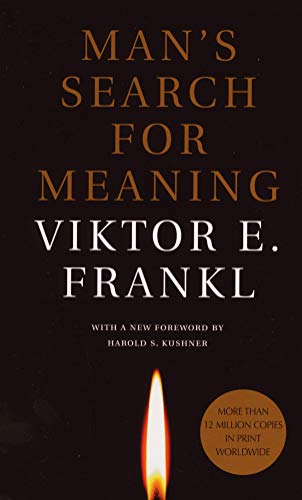
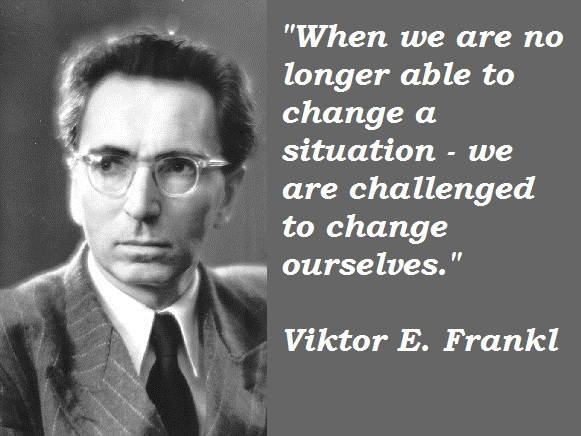
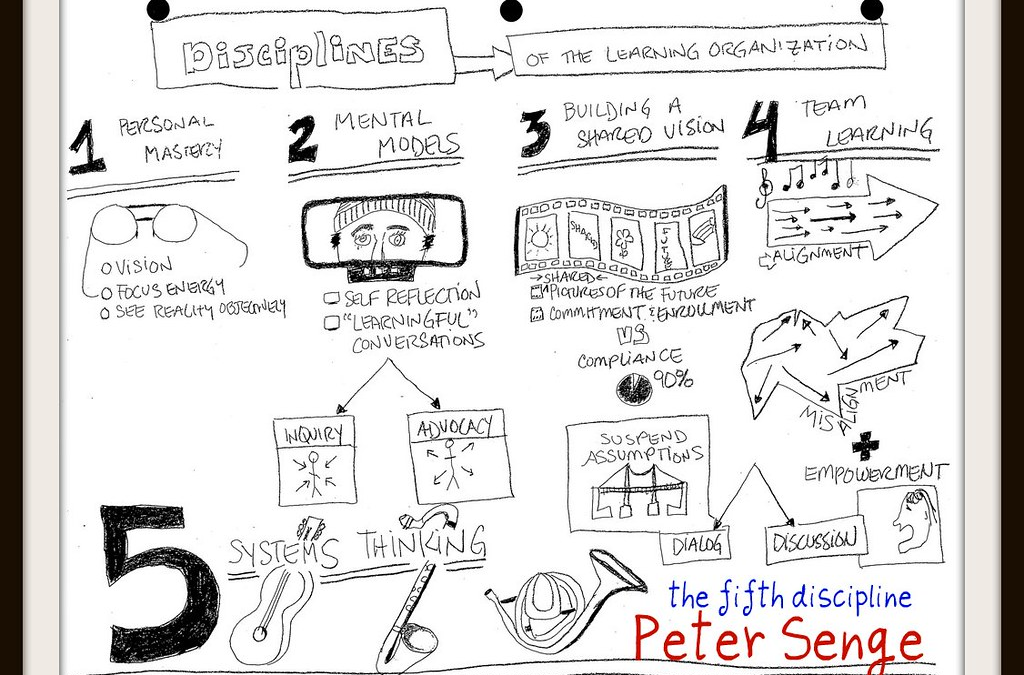
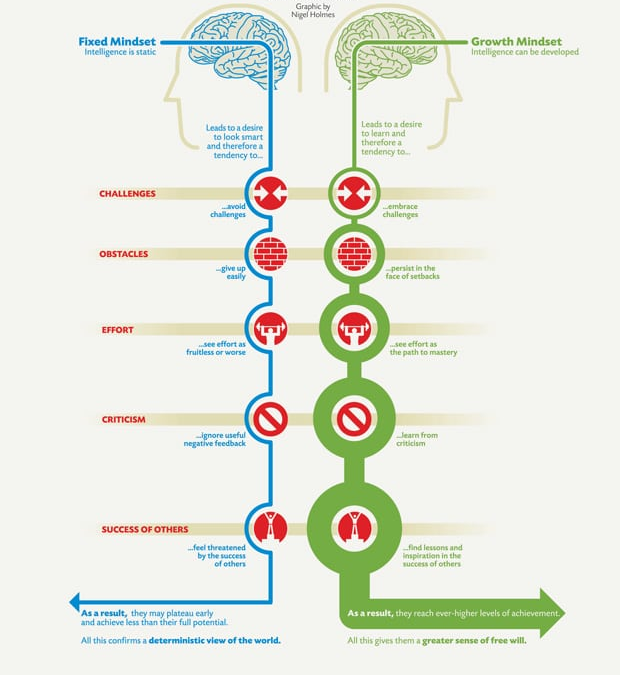
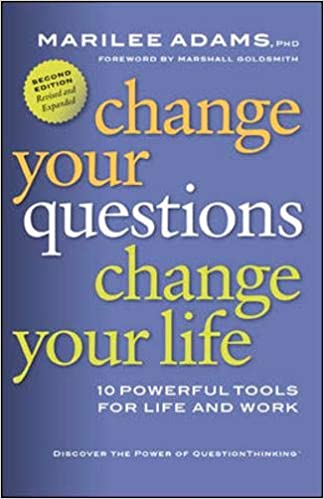

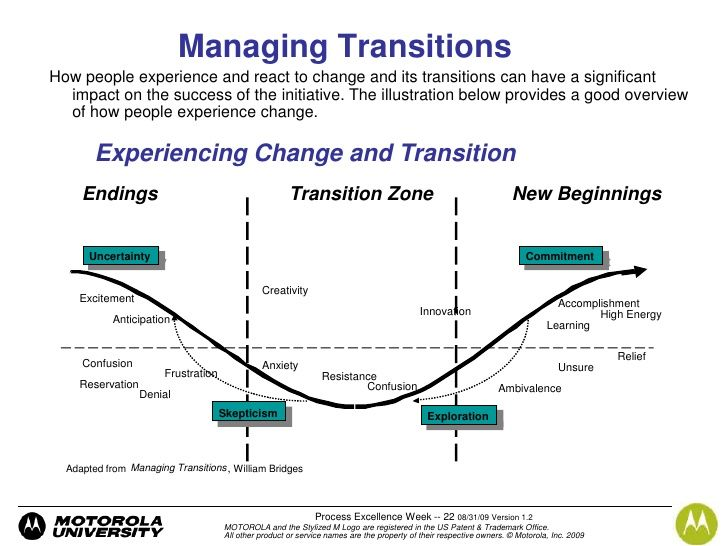
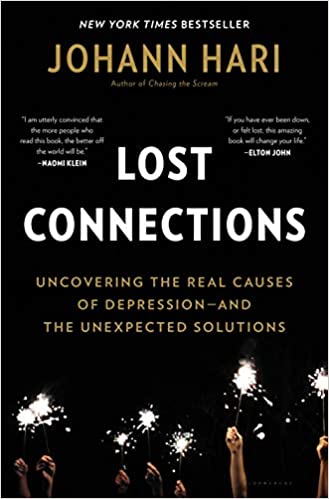
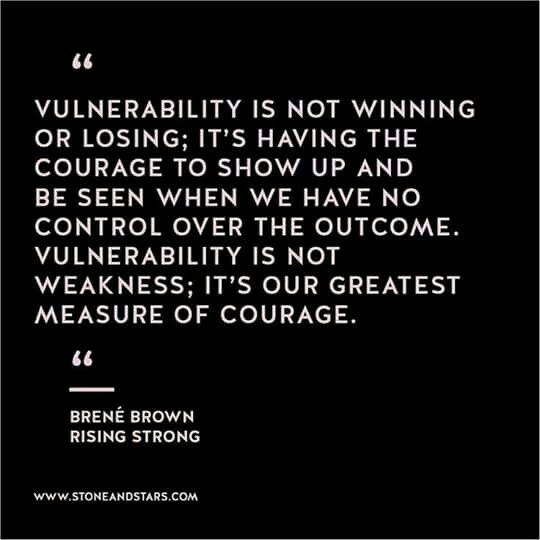
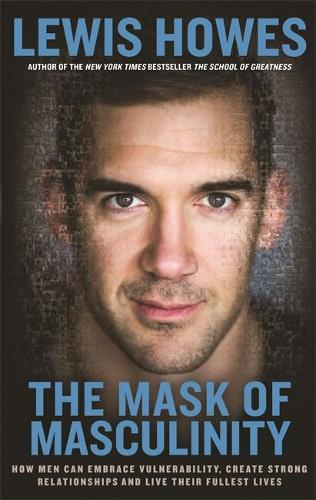
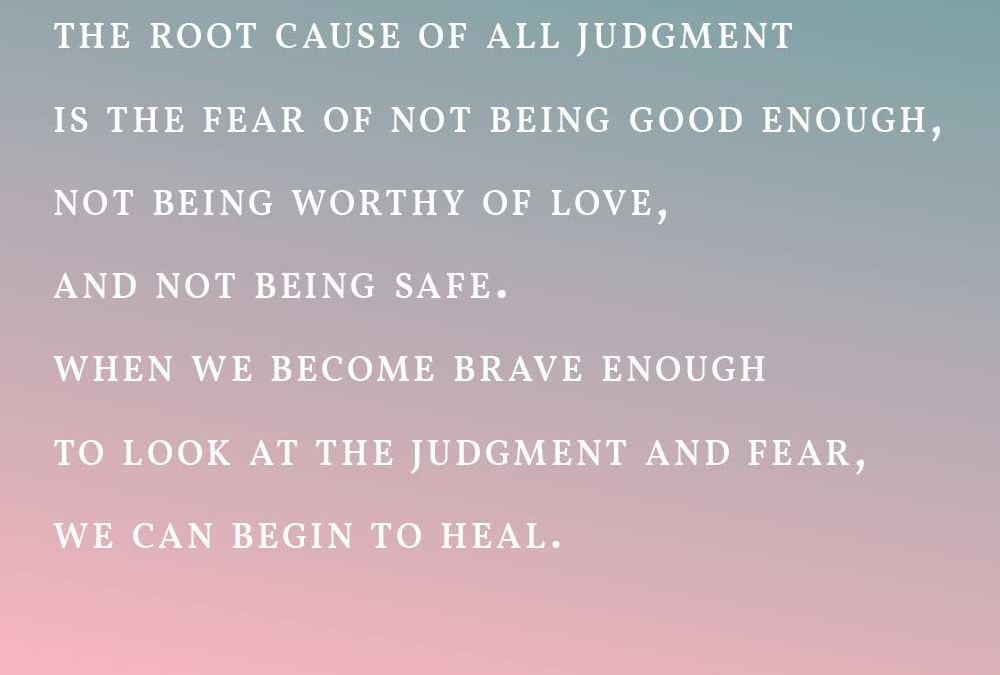
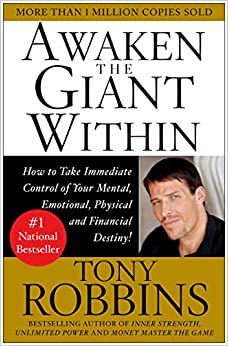
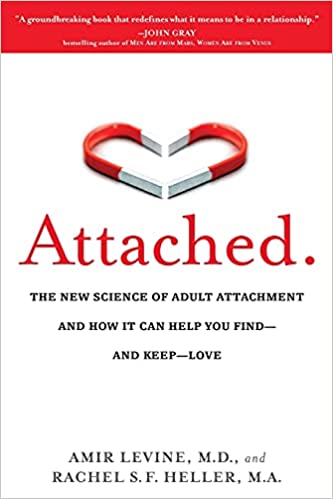
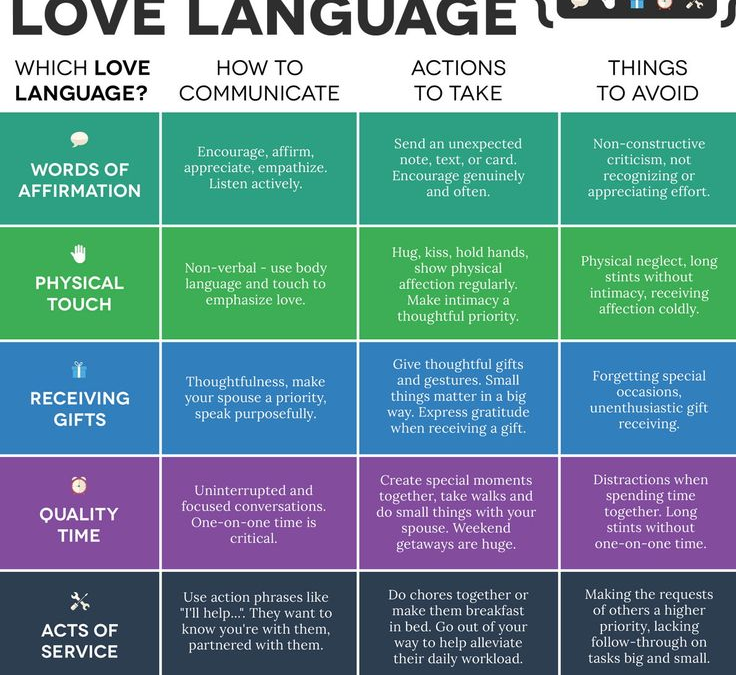
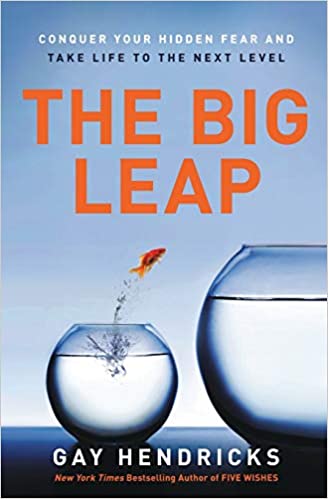
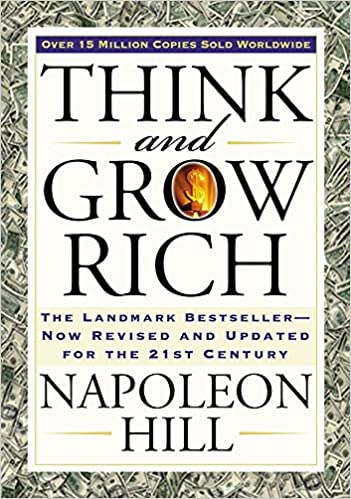
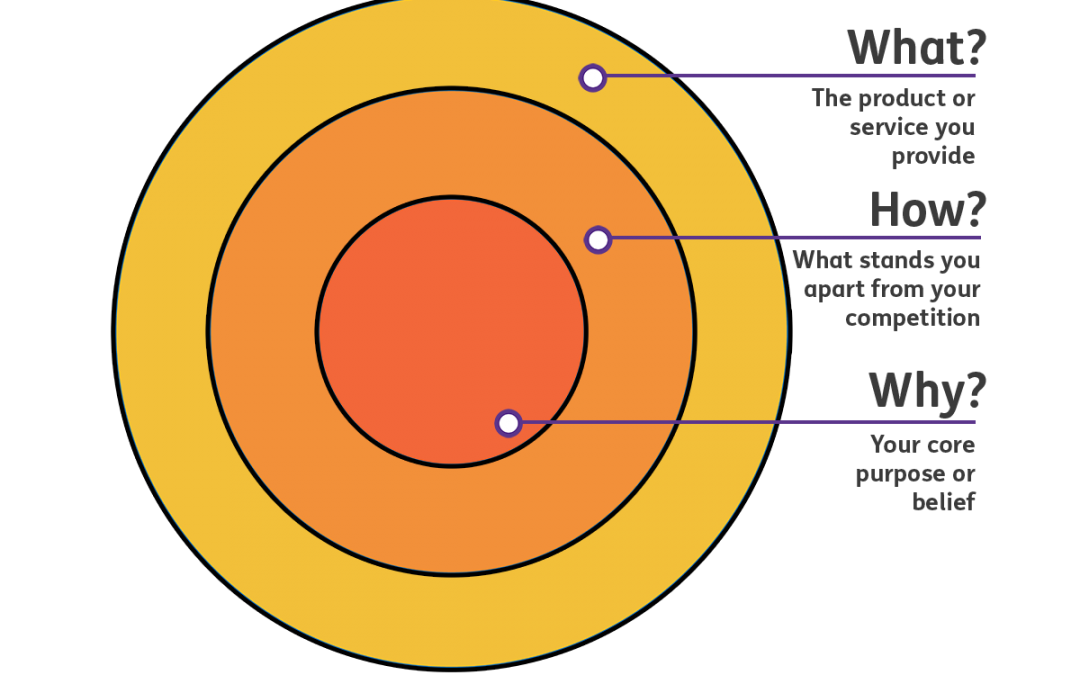

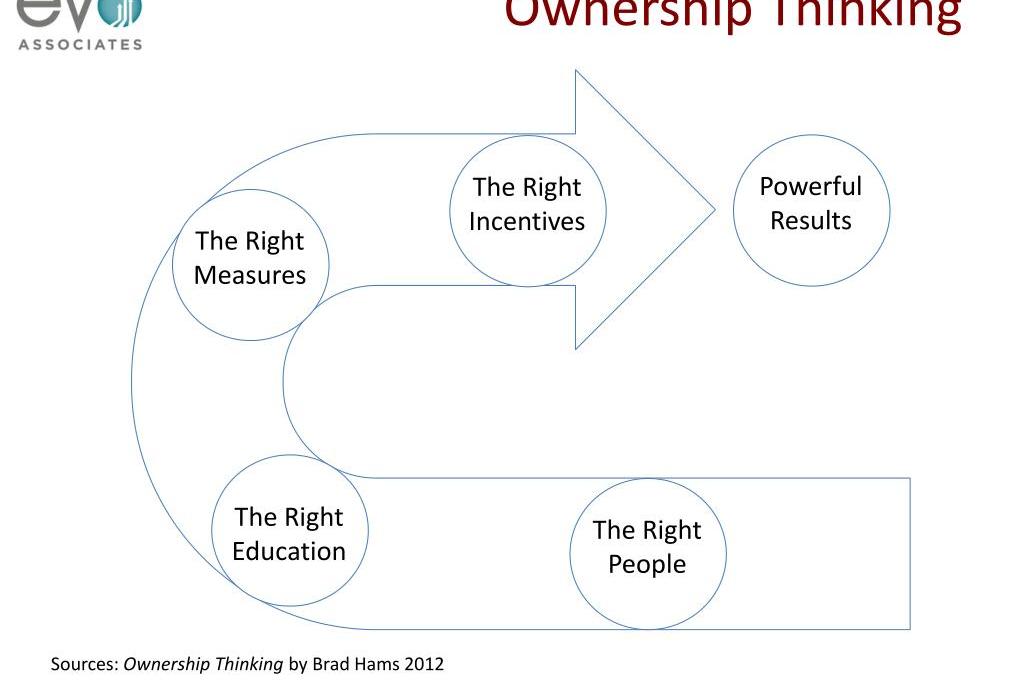
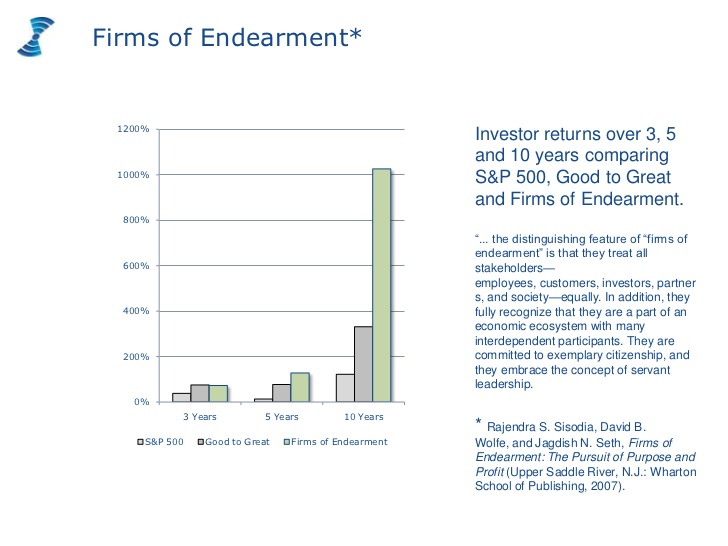
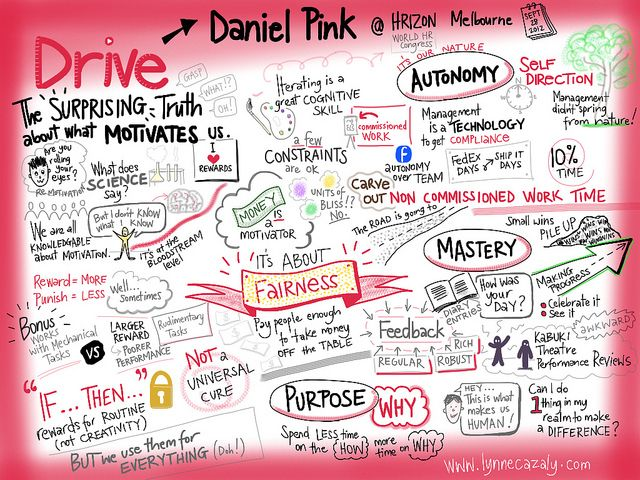
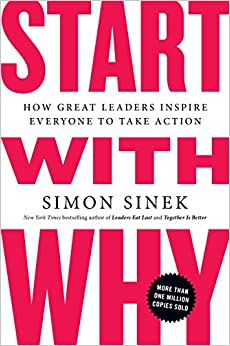
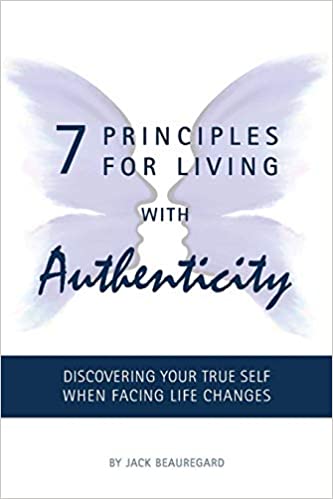
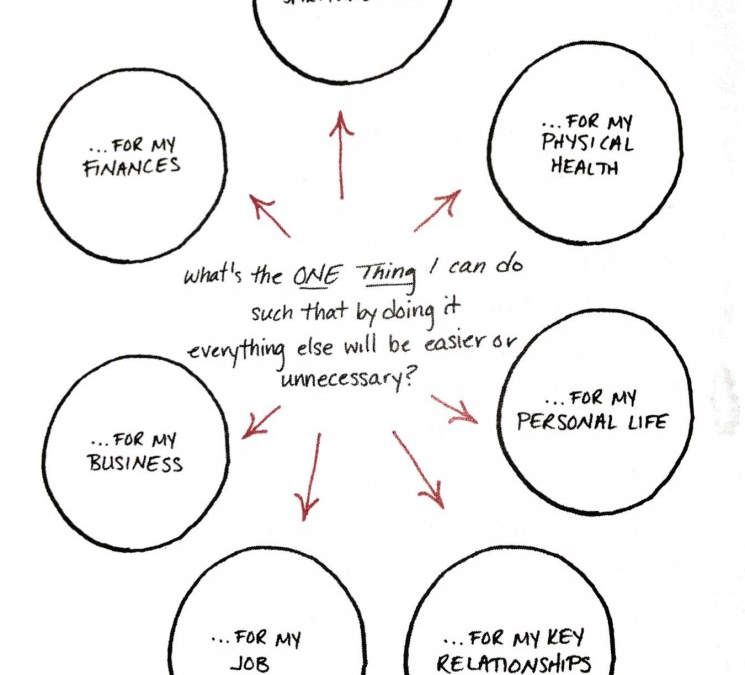

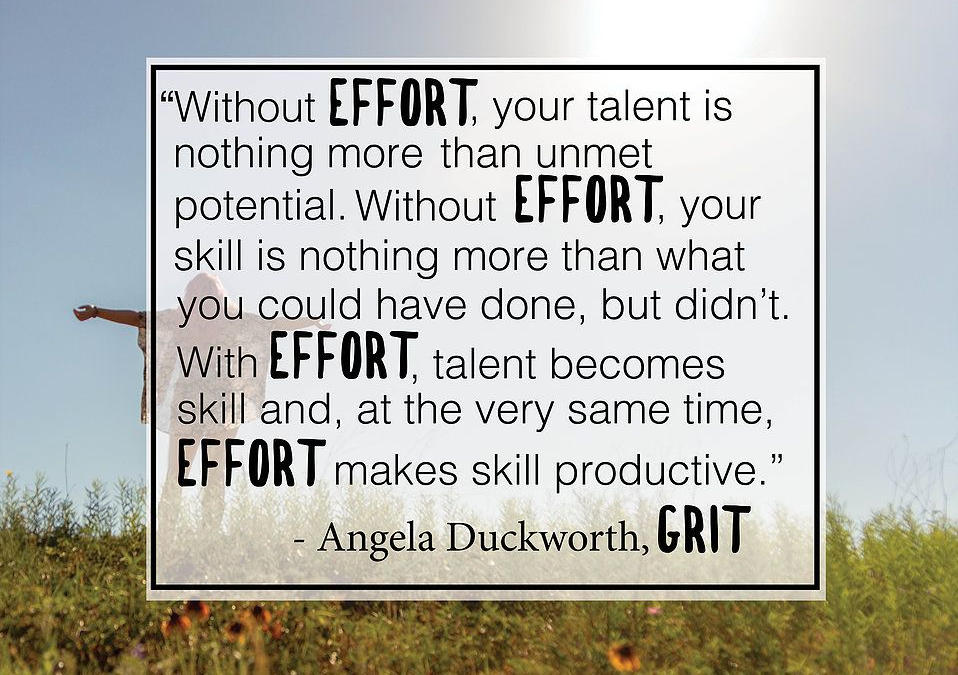
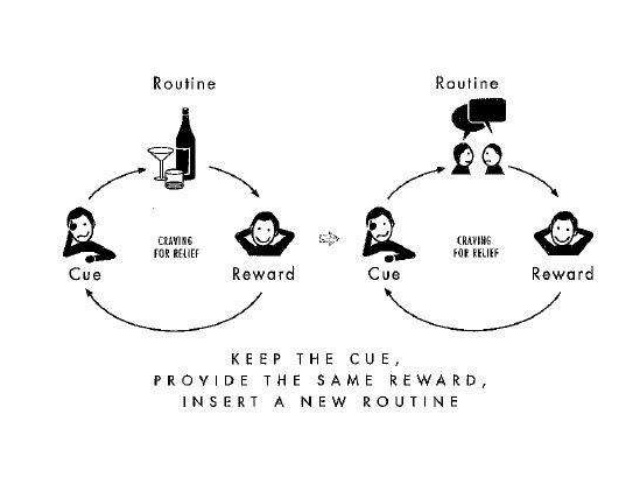
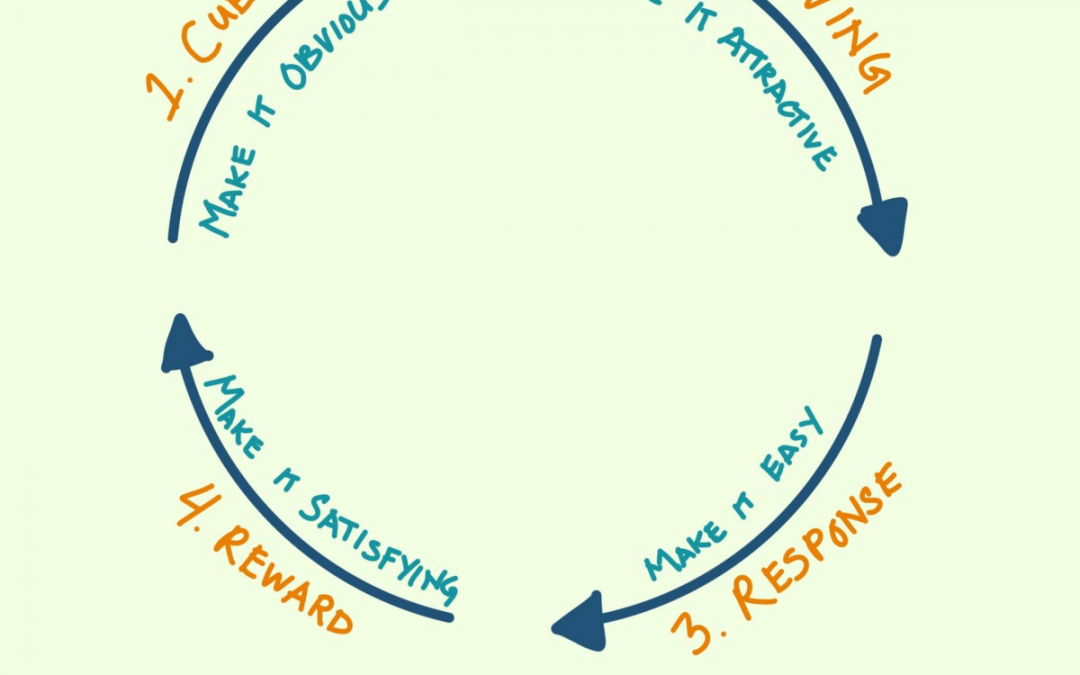
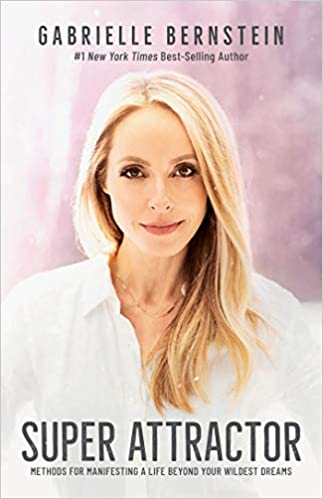
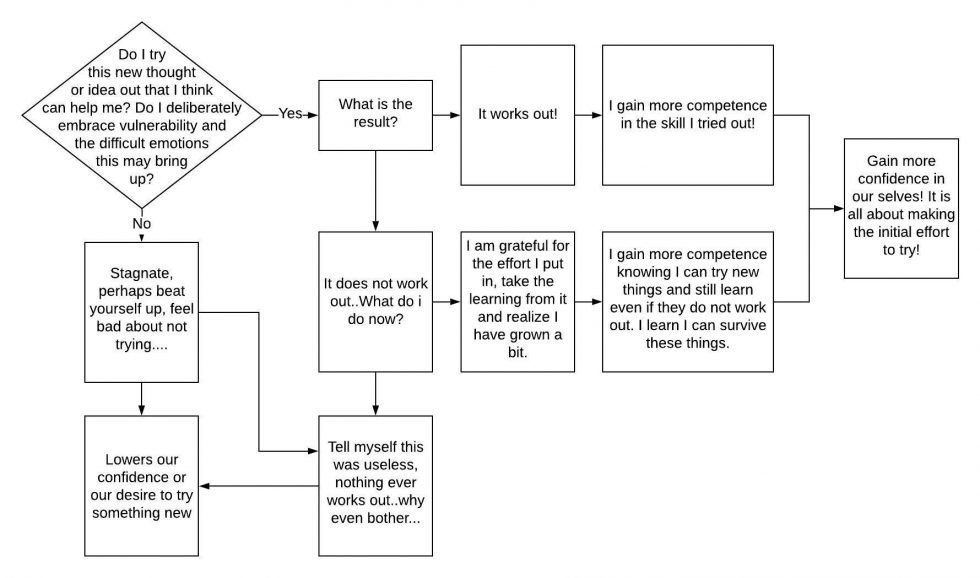
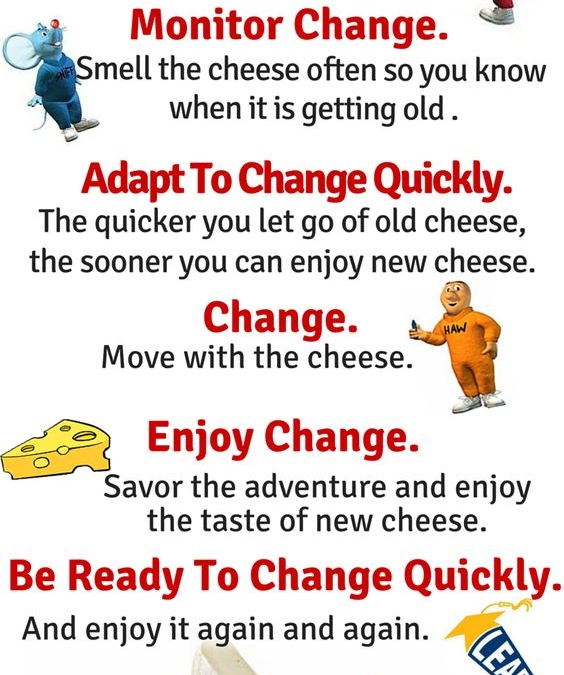
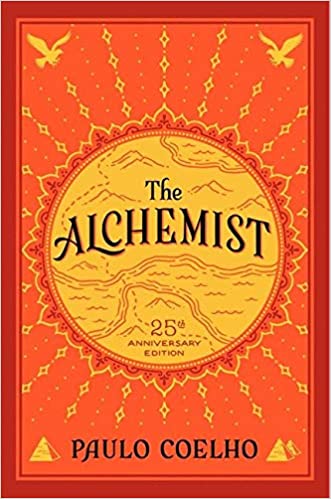
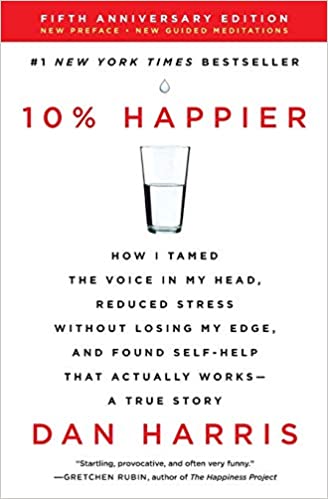
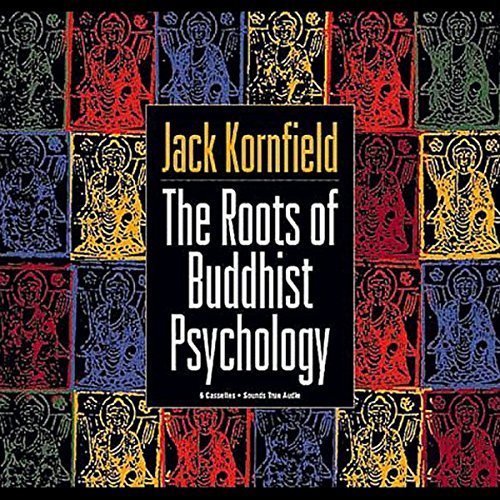
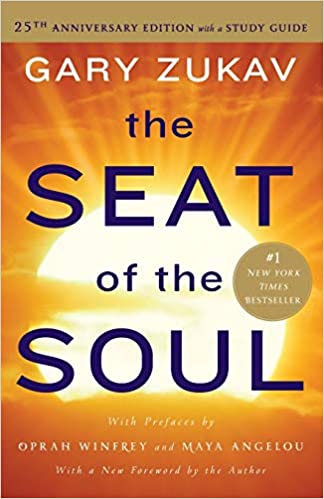
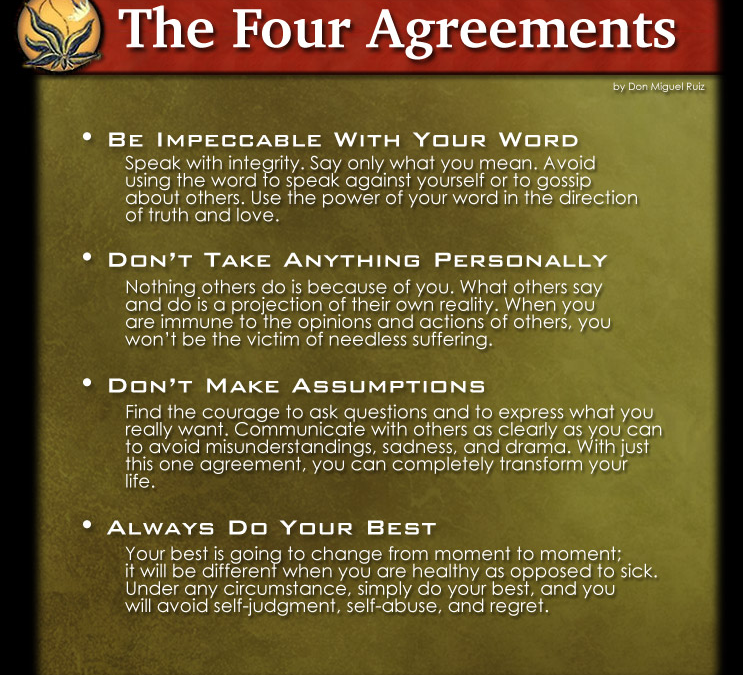
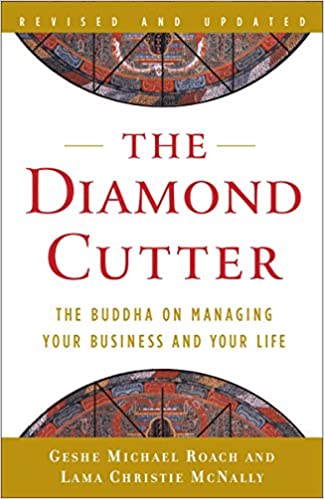

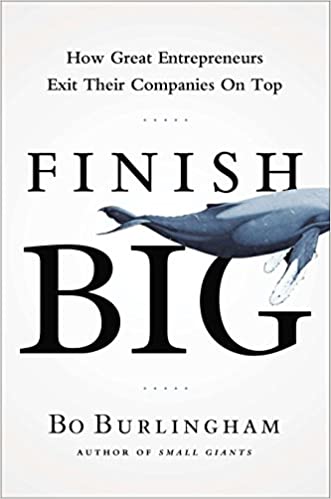
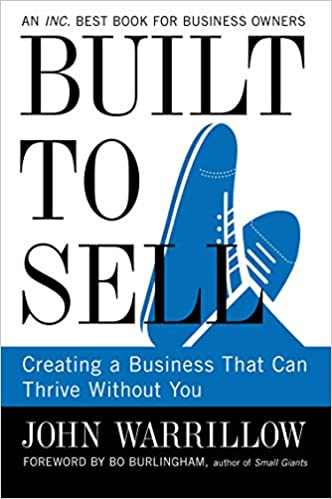
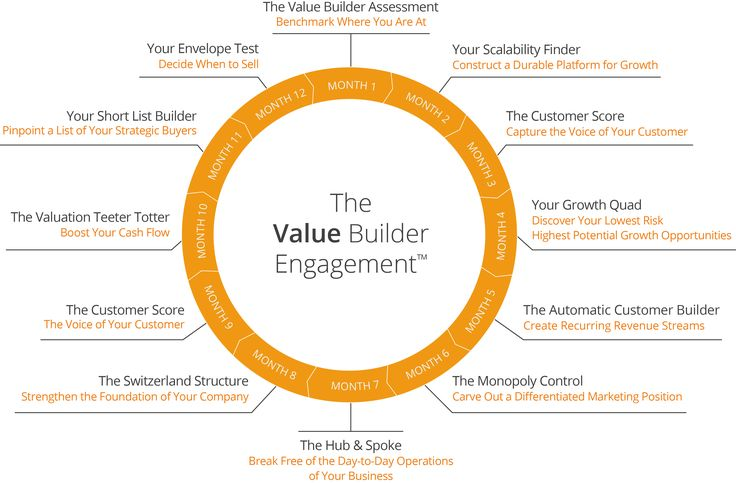
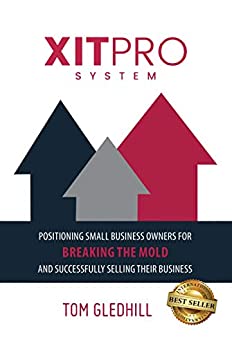
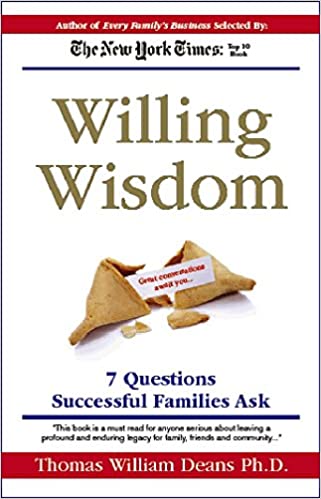
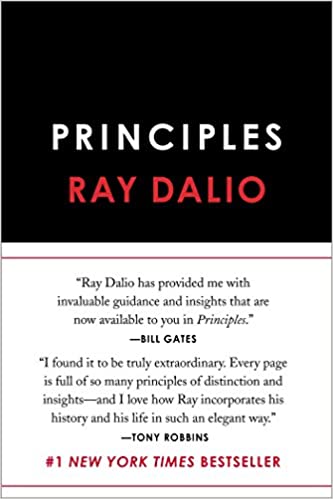
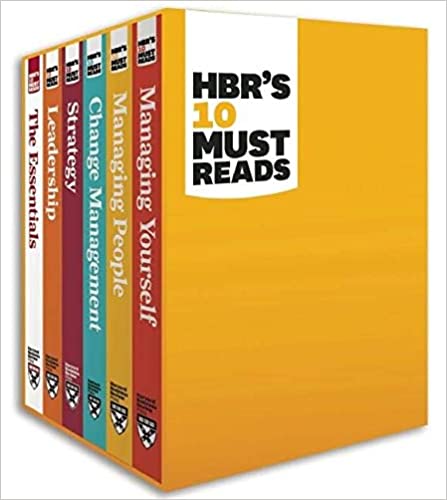
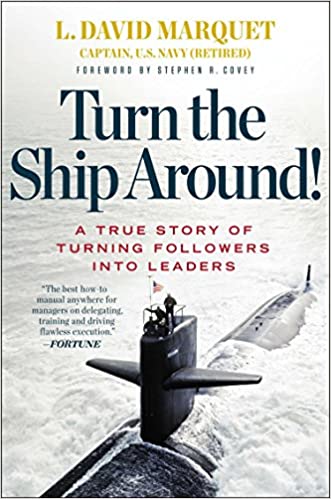
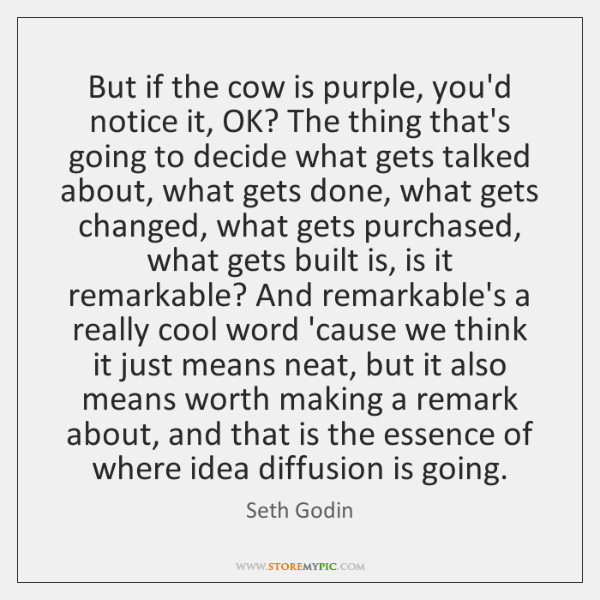
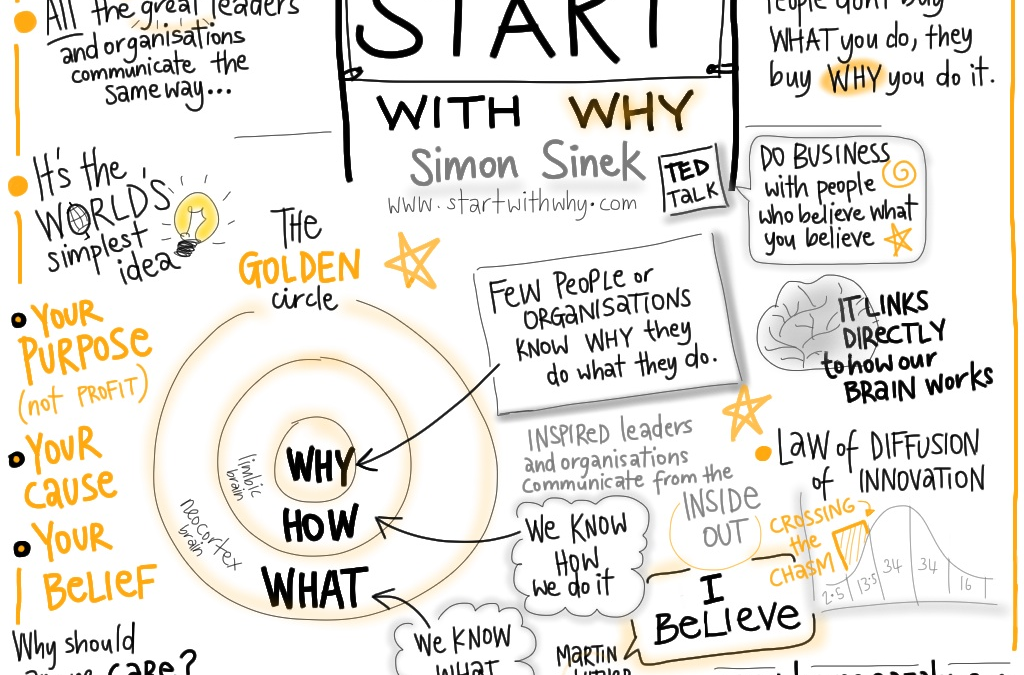
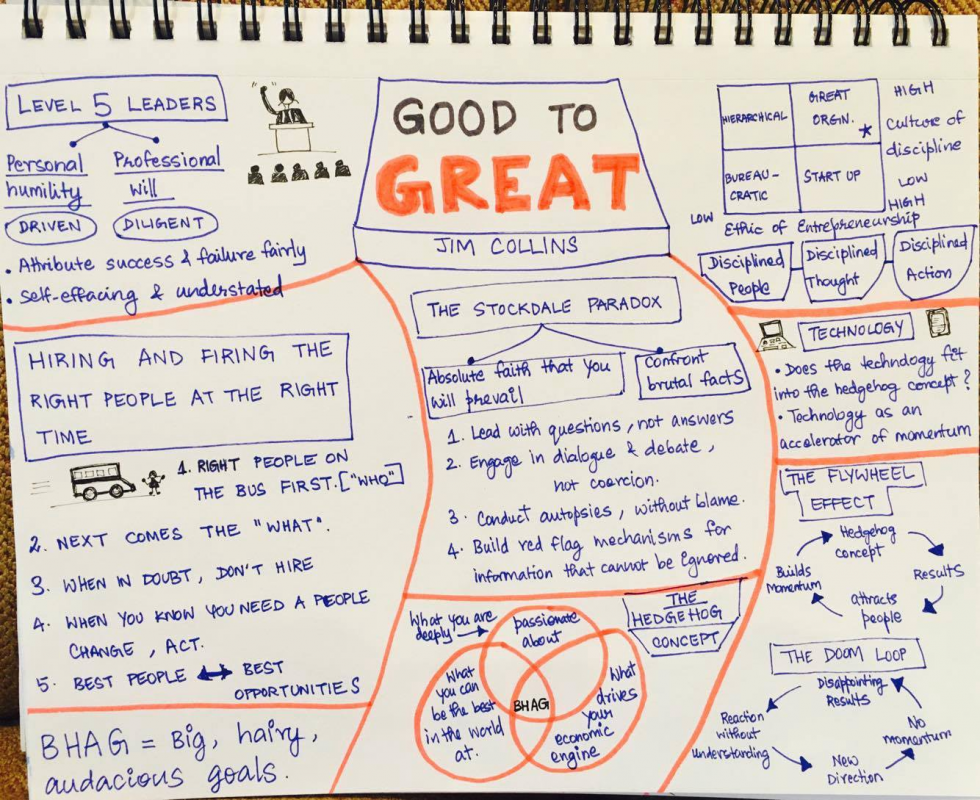
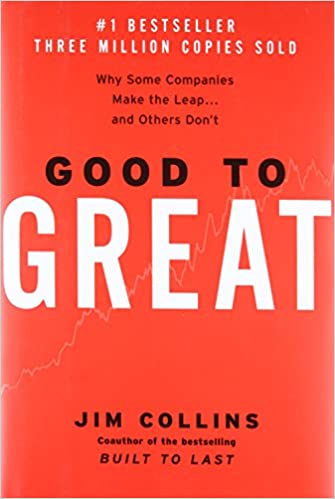
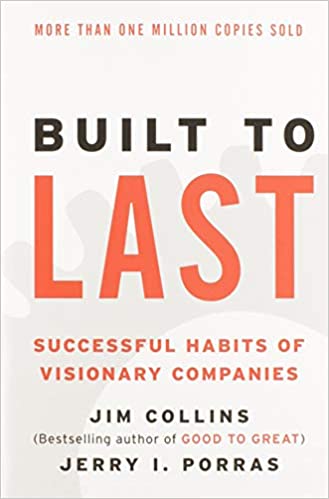
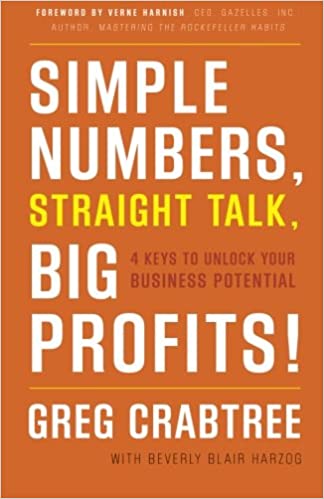
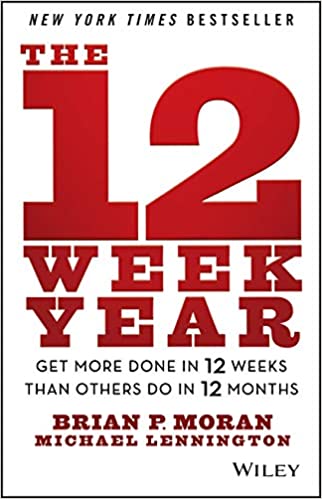
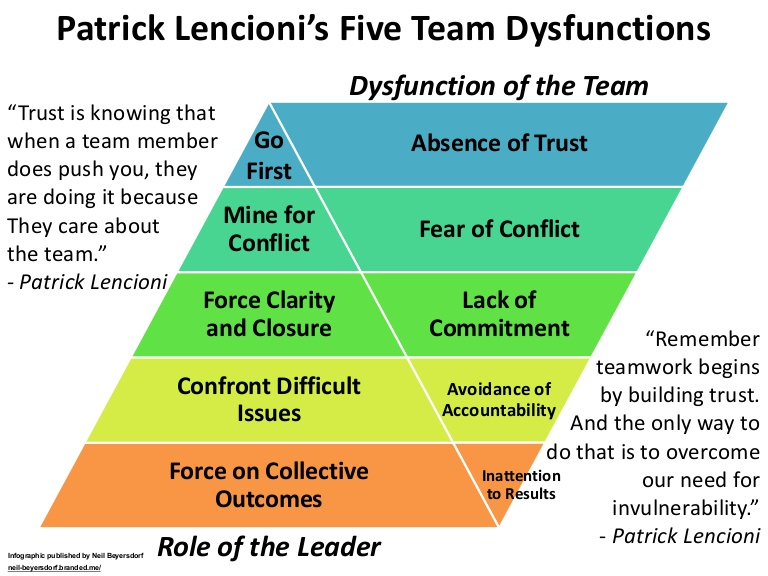
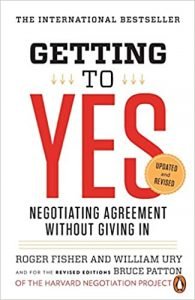
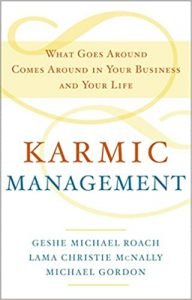
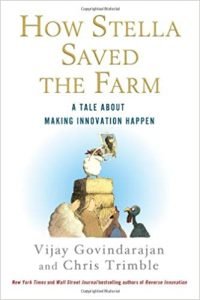
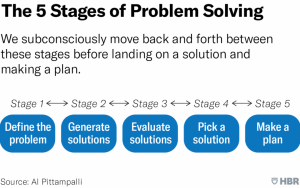
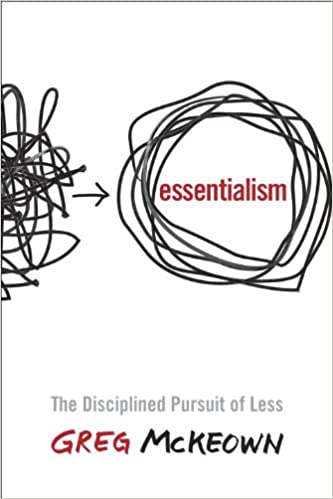
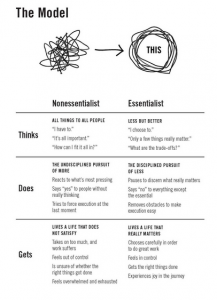
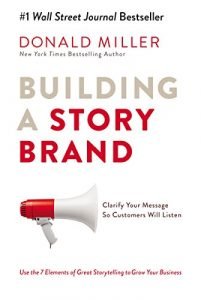
 Ever heard that what may trigger us and make us uncomfortable may be a clue as to something we need to make peace with ourselves?